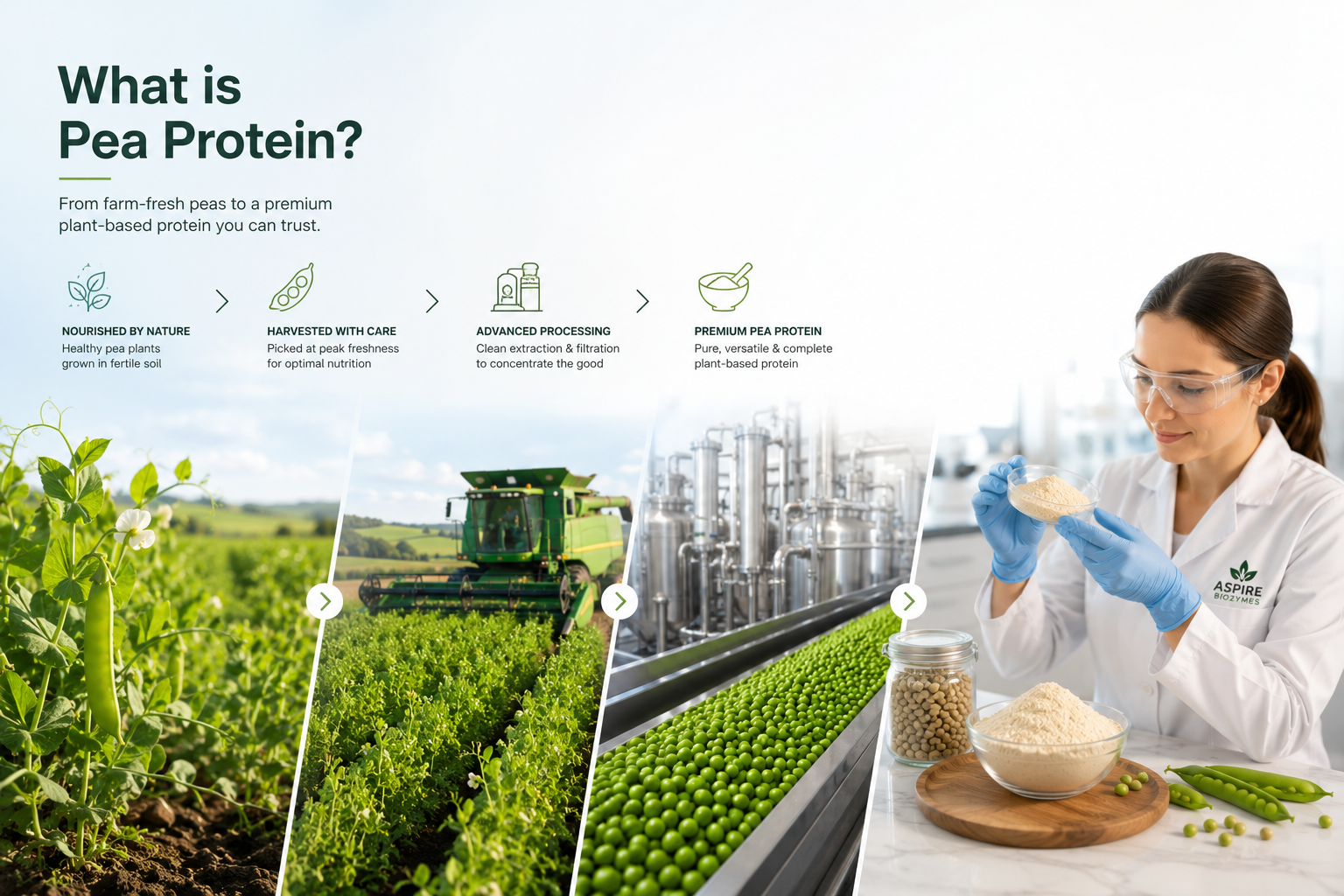
Protein Knowledge

Pea Protein vs Soy Protein

Side-by-side framing for formulators choosing between Proteluxe pea isolate (P85) and soy isolate (SPI 90) — including DIGEST+ enzyme-enhanced systems manufactured by Aspire Biozymes.

Column comparison — pea vs soy

Indicative guidance for formulators. Confirm lot specifications via TDS / COA. For concentrate vs isolate pea detail, also see P60 / P85 / SPI 90.

Attribute Pea protein (P85 / P60) Soy protein (SPI 90)
Source Yellow pea Soybean
Proteluxe grades P85 isolate · P60 concentrate SPI 90 isolate
Typical protein % >85% (P85) · ~60% (P60) ~90%
Amino acid framing High-protein pea profile; pair for balanced claims where needed Complete protein / strong EAA profile
Allergen note Pea (label as required) Soy (label accordingly)
Positioning Non-soy / pea-based nutrition High-protein soy systems
Taste Neutral / mild pea isolate profile (P85) Neutral soy isolate profile
Solubility / dispersibility Excellent for P85 — validate in matrix Excellent — process-dependent; validate in matrix
Functionality Emulsification, thickening, water binding Emulsification, gelation, water binding
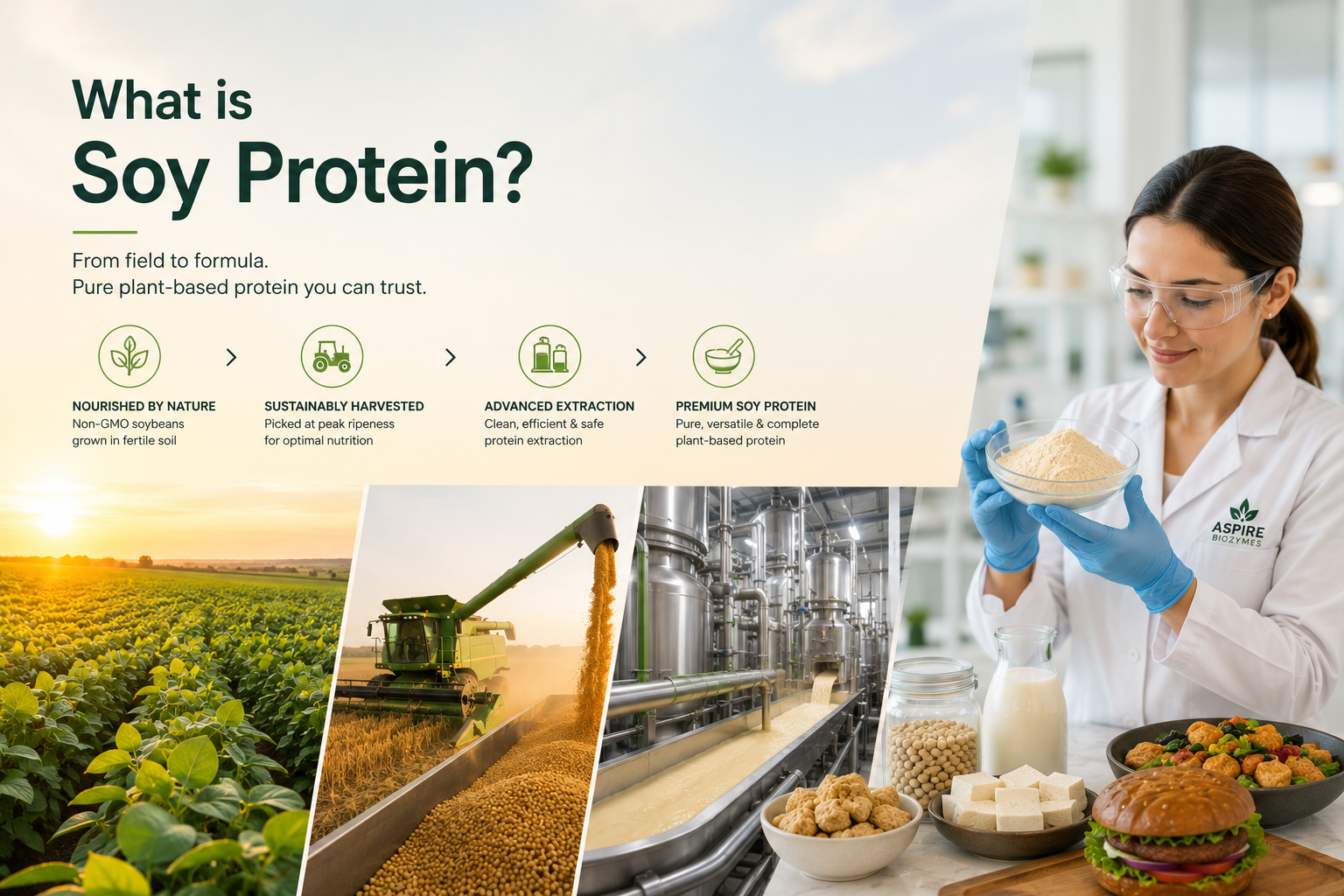
Typical use Sports, beverages, bars, plant-based (P85); enrichment (P60) Sports, beverages, plant-based, bars, dairy alternatives
DIGEST+ option P85 DIGEST+ · P60 DIGEST+ SPI 90 DIGEST+

What sets the grades apart?

Base isolates vs DIGEST+ systems — same protein density, stronger digestibility positioning when enzymes are included.

Feature P85 P85 DIGEST+ SPI 90 SPI 90 DIGEST+
Protein content >85% >85% ~90% ~90%
Digestibility Good Superior Good Superior
Proteolytic enzymes Papain & bromelain Papain & bromelain
Solubility Excellent Excellent Excellent Excellent
Taste Neutral Neutral Neutral Neutral
Application versatility
Clean label suited
Sustainably sourced plant protein

Not sure which protein fits your formulation? Talk to our technical team.