Protein Knowledge
Protein Absorption
How the body digests dietary protein, absorbs amino acids through the small intestine, and utilizes them for normal physiological functions.
From consumption to utilization
Protein is one of the three major macronutrients required for normal growth, tissue repair, muscle maintenance, enzyme production, hormone synthesis, and numerous other biological processes. However, simply consuming protein is not enough — the body must first digest, absorb, and utilize it efficiently.
Protein absorption is the process through which dietary proteins are broken down into amino acids and small peptides that can pass through the intestinal wall and enter the bloodstream. These absorbed nutrients are then transported throughout the body where they support normal physiological functions.
Understanding protein absorption is important for nutrition professionals, food manufacturers, and consumers because it helps explain how different protein sources, processing methods, and formulations influence the nutritional value of protein-containing foods.
What is protein absorption?
Protein absorption refers to the movement of amino acids and small peptides from the digestive tract into the bloodstream after dietary proteins have been digested.
The process involves several stages:
- Protein consumption
- Digestion into peptides and amino acids
- Absorption through the small intestine
- Transport into the bloodstream
- Utilization by body tissues
Only after proteins have been digested into smaller components can they be absorbed and used by the body.
Why is protein absorption important?
Efficient protein absorption helps ensure that dietary amino acids are available for normal biological functions.
- Building and repairing body tissues
- Maintaining skeletal muscle
- Synthesizing enzymes
- Producing hormones
- Supporting immune function
- Producing structural proteins such as collagen
- Supporting normal growth and development
The efficiency of protein absorption contributes to the overall nutritional quality of dietary protein.
Digestion pathway
The protein digestion and absorption process
- Consumption — protein enters the digestive system through plant proteins, dairy, eggs, meat, fish, legumes, fortified foods, and supplements
- Stomach — hydrochloric acid unfolds protein structure; pepsin begins breaking proteins into shorter peptide chains
- Small intestine — pancreatic enzymes including trypsin, chymotrypsin, carboxypeptidases, and elastase reduce proteins into amino acids and small peptides
- Absorption — intestinal transport proteins absorb individual amino acids and small dipeptides and tripeptides into the bloodstream
- Distribution — amino acids travel to tissues for protein synthesis, maintenance, enzyme production, hormone synthesis, cellular repair, and metabolic functions
Role of digestive enzymes
Digestive enzymes are essential for protein digestion because intact proteins are too large to be absorbed directly.
Pepsin
Initiates protein digestion in the stomach by breaking proteins into shorter peptide chains.
Trypsin
Continues protein digestion in the small intestine, hydrolyzing peptide bonds to produce smaller fragments.
Chymotrypsin
Breaks peptide bonds to produce smaller peptide fragments suitable for further digestion.
Carboxypeptidases
Remove amino acids from the ends of peptide chains, producing absorbable free amino acids.
These enzymes work together to produce absorbable amino acids and peptides. Learn more in our digestive enzymes guide.
Factors that affect protein absorption
Several factors influence how efficiently protein is absorbed.
Protein source
Different protein sources vary in amino acid composition, digestibility, protein structure, and functional characteristics.
Food processing
Heating, enzymatic hydrolysis, fermentation, and drying can influence protein structure and digestibility. Appropriate processing helps maintain nutritional quality and functional performance.
Digestive health
Normal digestive function supports efficient digestion and nutrient absorption. Healthy digestive enzyme activity and an intact intestinal lining contribute to effective protein utilization.
Overall diet
Protein absorption should be considered within the context of a balanced diet that provides sufficient energy and essential nutrients.
Pea Protein Isolate
High-concentration plant protein with good digestibility
Pea Protein Isolate offers high protein concentration, good digestibility, broad formulation versatility, and suitability for vegan products.
Common applications include protein powders, functional beverages, sports nutrition, and meal replacements.
View Pea Protein Isolate (P85)Pea Protein Concentrate
Plant protein for bakery and functional foods
Frequently used in bakery products, functional foods, plant-based formulations, and snack products.
View Pea Protein Concentrate (P60)Soy Protein Isolate
Balanced amino acid profile with wide commercial use
Soy Protein Isolate is recognized for high protein content, good digestibility, balanced amino acid profile, and wide commercial use.
Applications include dairy alternatives, clinical nutrition, functional beverages, and nutritional supplements.
View Soy Protein Isolate (SPI 90)Protein absorption in food product development
Manufacturers consider protein absorption when developing products for sports nutrition, meal replacements, clinical nutrition, functional foods, protein beverages, dairy alternatives, plant-based foods, healthy aging nutrition, and dietary supplements. Protein ingredients are selected based on nutritional quality, functionality, digestibility, processing compatibility, and application requirements.
- Sports Nutrition
- Meal Replacements
- Clinical Nutrition
- Functional Foods
- Protein Beverages
- Dairy Alternatives
- Plant-Based Foods
- Healthy Aging Nutrition
- Dietary Supplements
Common misconceptions
More protein does not always mean better nutrition
The nutritional value of a protein-containing product depends on several factors, including amino acid composition, digestibility, and overall dietary intake — not simply the amount of protein present.
Proteins are not absorbed intact
The digestive system breaks proteins into amino acids and small peptides before absorption. Whole protein molecules are generally too large to pass through the intestinal wall.
Plant proteins can support balanced nutrition
Commercial plant proteins such as pea protein isolate and soy protein isolate are widely used in food and nutrition products because of their nutritional value and functional performance. A varied diet that includes different protein sources can provide an appropriate balance of essential amino acids.
Why Aspire Biozymes?
Aspire Biozymes supplies high-quality plant protein ingredients that support the development of innovative nutritional products.
Our portfolio includes pea protein isolate, pea protein concentrate, soy protein isolate, enzyme-fortified protein solutions, custom protein blends, protein + enzyme solutions, and protein + fiber blends.
We provide technical support to food manufacturers through ingredient selection, formulation guidance, and customized product development.
Related guides & products
Protein Bioavailability
Read the guide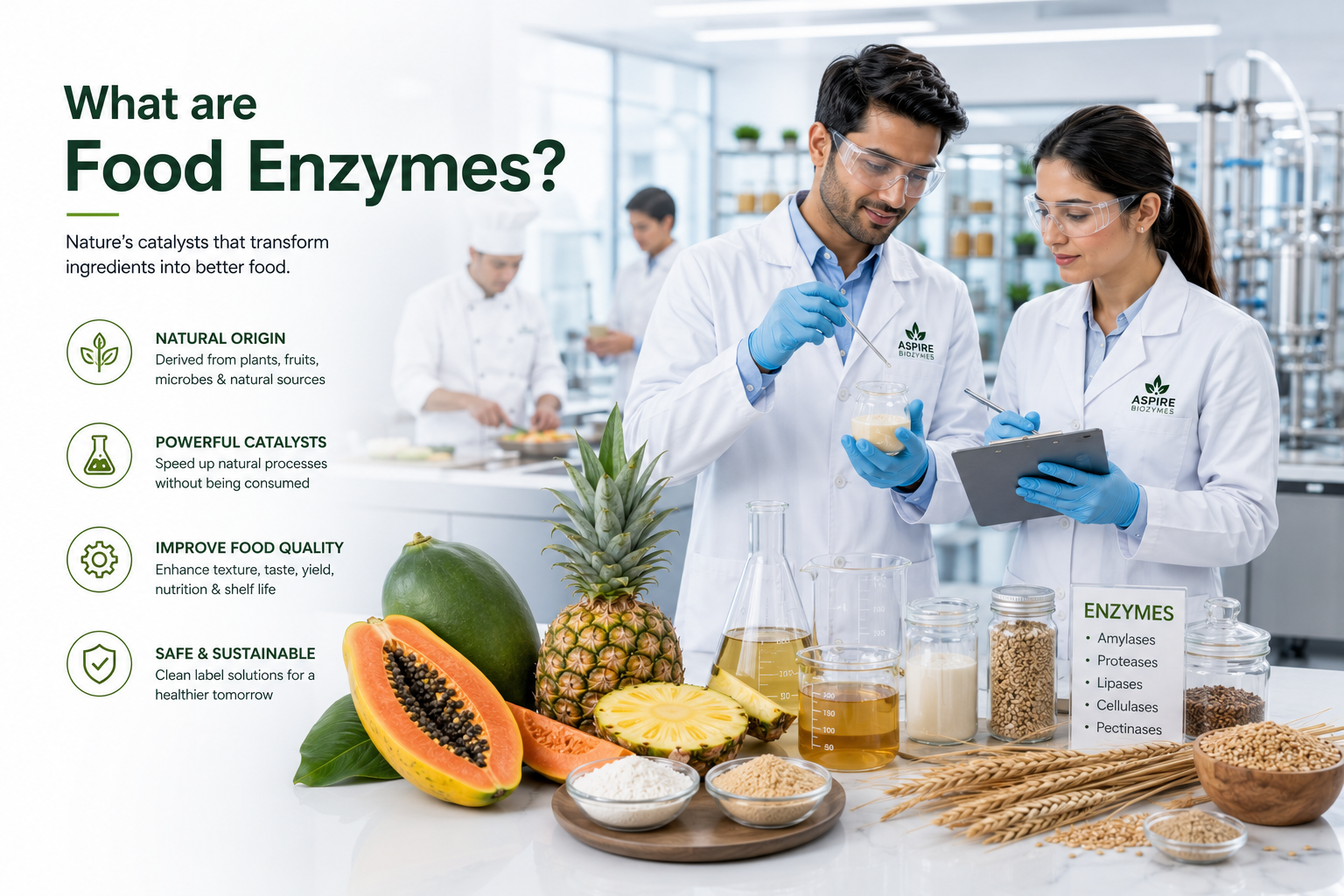
What are Digestive Enzymes?
Read the guide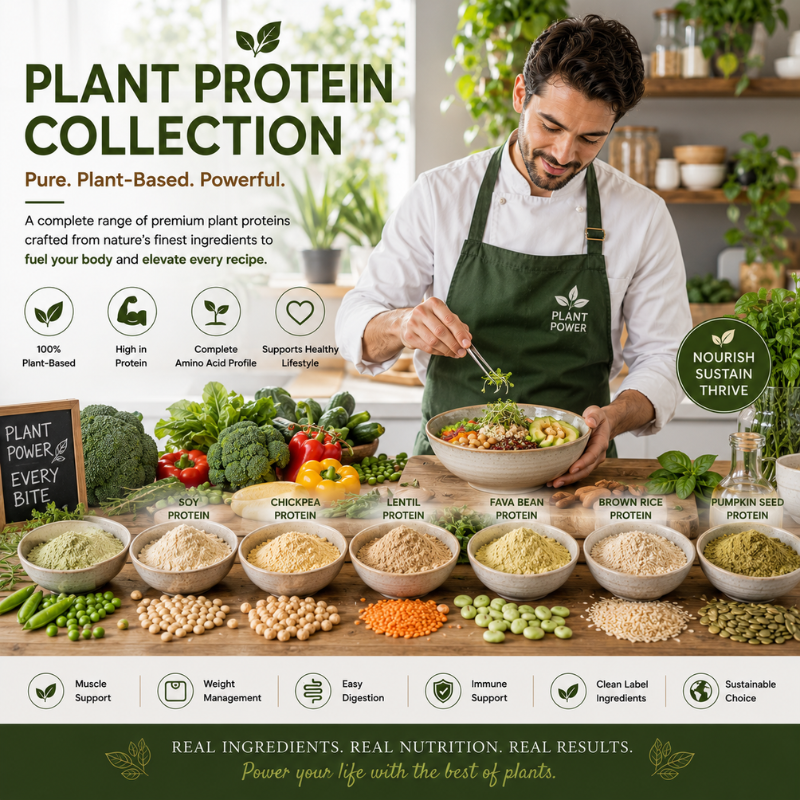
Plant Proteins
Explore productsScientific summary
Protein absorption is the process by which amino acids and small peptides produced during digestion are absorbed through the small intestine and transported into the bloodstream for use throughout the body.
Efficient absorption depends on proper digestion, digestive enzyme activity, protein digestibility, and overall dietary context.
Commercial plant proteins such as pea protein isolate and soy protein isolate are widely used in food and nutrition products because of their nutritional quality, functionality, and compatibility with diverse formulations.
Frequently asked questions
Protein absorption is the process by which amino acids and small peptides produced during digestion pass from the small intestine into the bloodstream, where they become available for normal physiological functions.
Most protein absorption takes place in the small intestine after proteins have been broken down by digestive enzymes.
No. Dietary proteins are first digested into amino acids and small peptides before they can be absorbed.
Key protein-digesting enzymes include pepsin, trypsin, chymotrypsin, carboxypeptidases, and elastase. See our digestive enzymes guide for more detail.
Yes. Protein source, amino acid composition, digestibility, processing methods, and overall dietary context can all influence how efficiently protein is digested and absorbed. See our protein bioavailability guide and complete vs incomplete protein guide.
Ready to select the right protein ingredient?
Explore plant-based proteins and enzyme-fortified solutions from Aspire Biozymes.