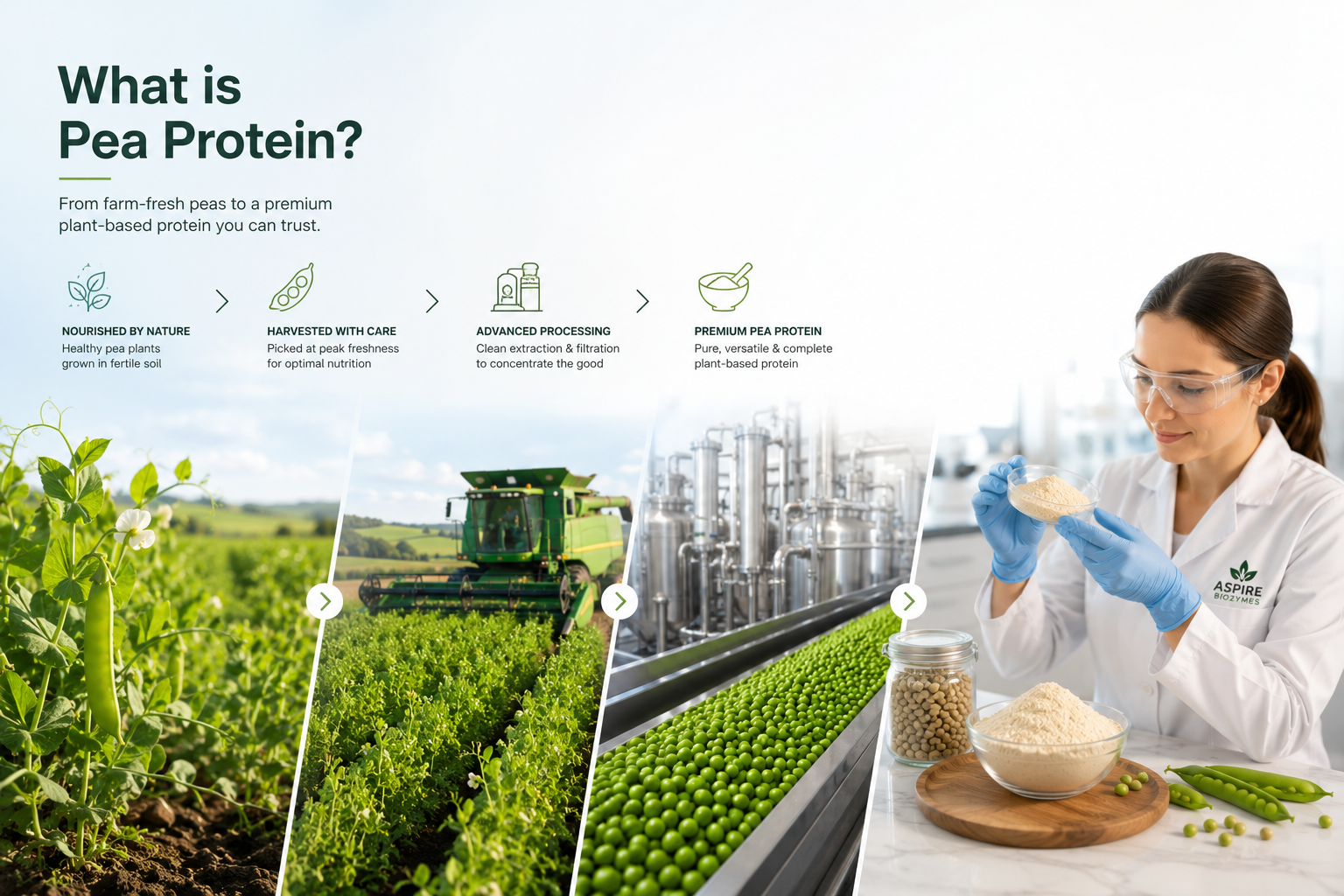
Pea Protein
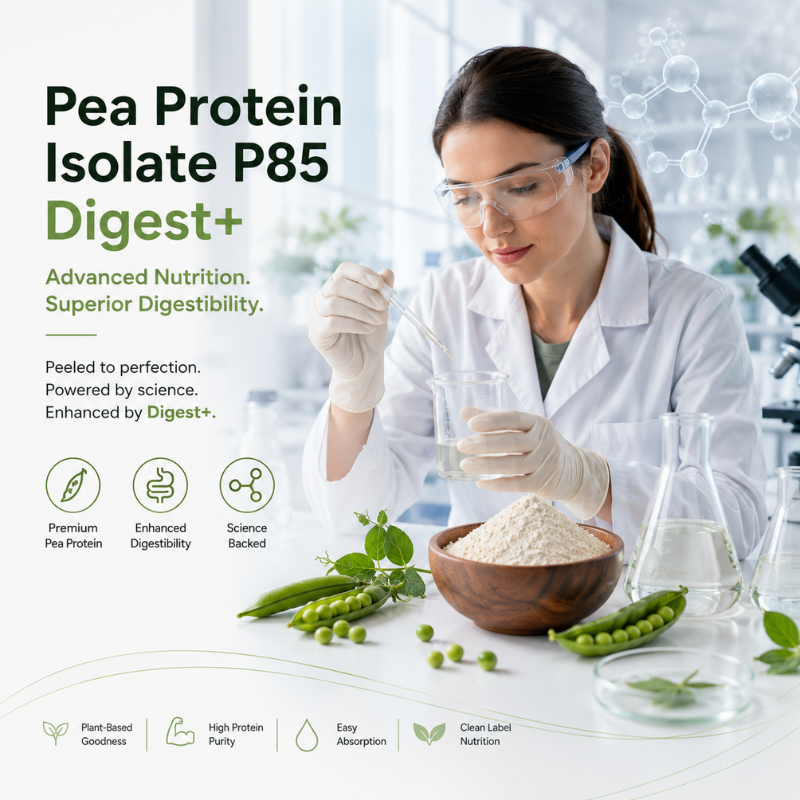
Plant-based protein from yellow peas, available as concentrate and isolate grades for sports nutrition, dairy alternatives, and functional foods.
Read the guideA comprehensive guide to protein digestibility — how proteins are broken down during digestion, the factors that influence it, standardized measurement methods, and its role in food formulation and protein ingredient selection.
Protein digestibility refers to the extent to which dietary proteins are broken down into peptides and amino acids during digestion and made available for absorption. It is an important characteristic of protein ingredients used in food manufacturing because it influences nutritional evaluation, ingredient selection, and product formulation.
Protein digestibility depends on numerous factors, including the protein source, processing conditions, protein structure, and interactions with other food components. Food scientists and manufacturers evaluate digestibility using standardized analytical methods to compare protein ingredients and support product development.
Understanding protein digestibility helps manufacturers select suitable protein ingredients for applications such as sports nutrition, clinical nutrition, infant nutrition (where applicable), dairy alternatives, bakery products, and plant-based foods.
Proteins are large molecules composed of amino acids joined by peptide bonds. During digestion, digestive enzymes break these peptide bonds into smaller peptides and free amino acids that can be absorbed in the small intestine.
Protein digestibility describes the proportion of consumed protein that is digested and absorbed compared with the total protein intake. Digestibility is one of several factors considered when evaluating the nutritional quality of protein ingredients. It is often assessed alongside amino acid composition because both influence the overall nutritional value of a protein source.
Digestion
Protein digestion is a multi-step process involving several digestive enzymes across the gastrointestinal tract.
Several factors influence how readily proteins are digested. Understanding these variables helps manufacturers compare ingredients and optimize formulations.
Digestibility varies among pea, soy, dairy, egg, wheat, and rice proteins — each with unique amino acid composition and structural characteristics.
Three-dimensional folding affects enzyme accessibility. Highly folded proteins may require denaturation before efficient hydrolysis.
Controlled heat treatment may improve digestibility by unfolding proteins. Excessive heating can promote Maillard browning or aggregation that reduces enzyme access.
Trypsin inhibitors, tannins, and phytates in some plant materials may reduce digestibility before processing. Appropriate processing can reduce their activity.
Interactions with starches, dietary fibers, and fats may influence enzyme access and digestion within the finished product.
Different protein sources exhibit different digestibility characteristics. Ingredient selection depends on the application, formulation requirements, and nutritional objectives.
Plant-based protein from yellow peas, available as concentrate and isolate grades for sports nutrition, dairy alternatives, and functional foods.
Read the guide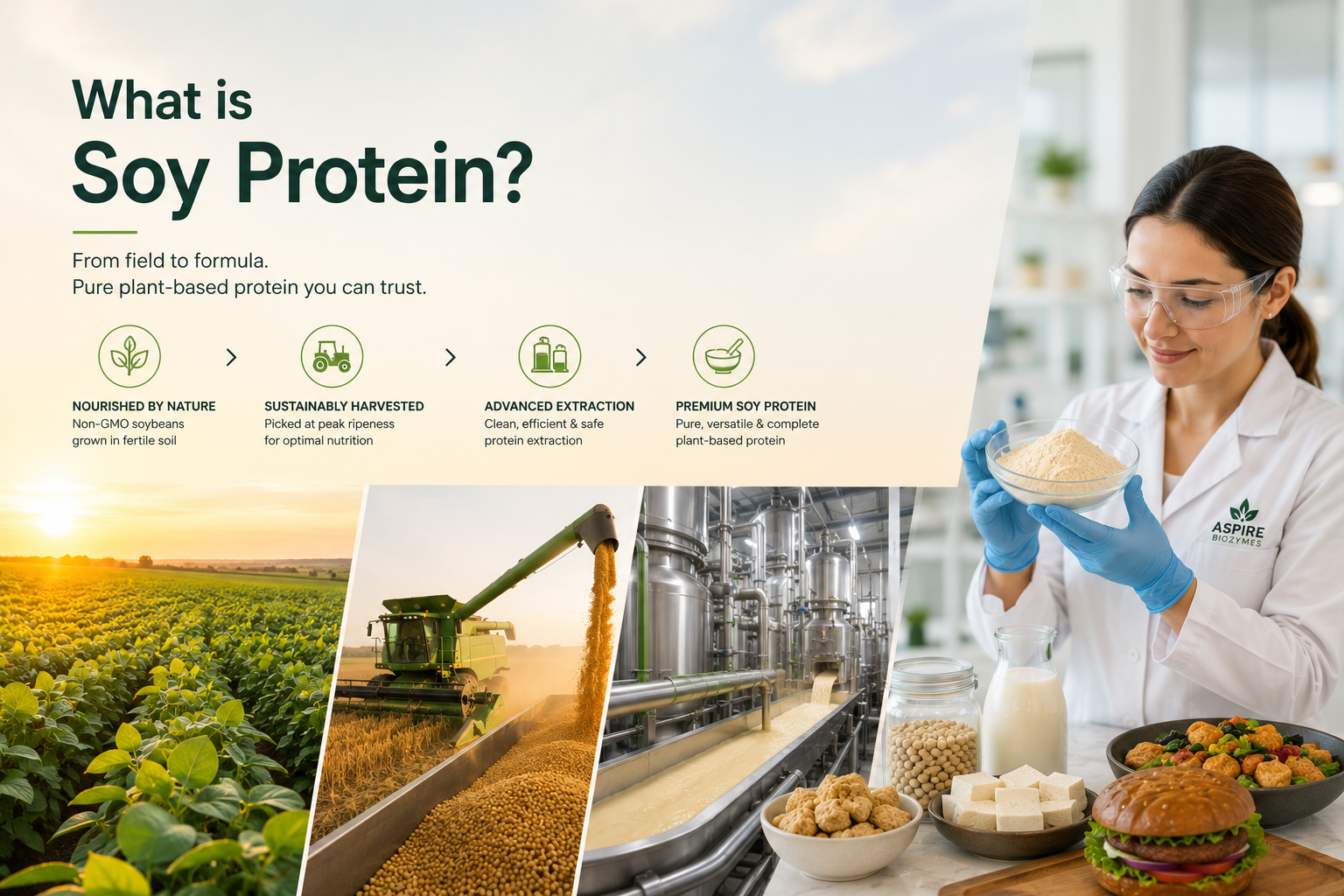
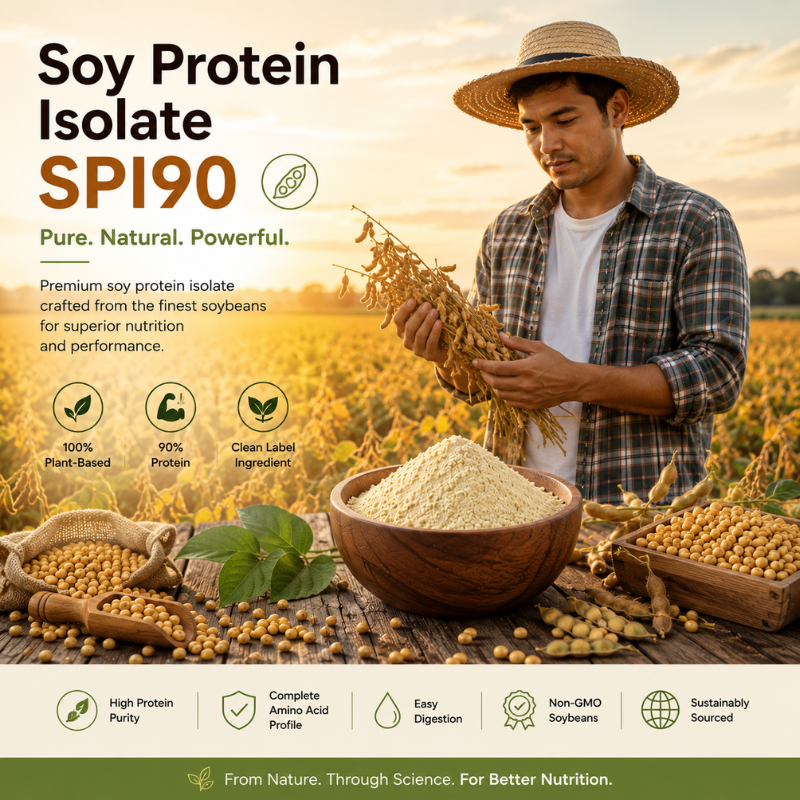
Complete plant protein from soybeans, widely used in beverages, bakery, meat alternatives, and nutritional products.
Read the guide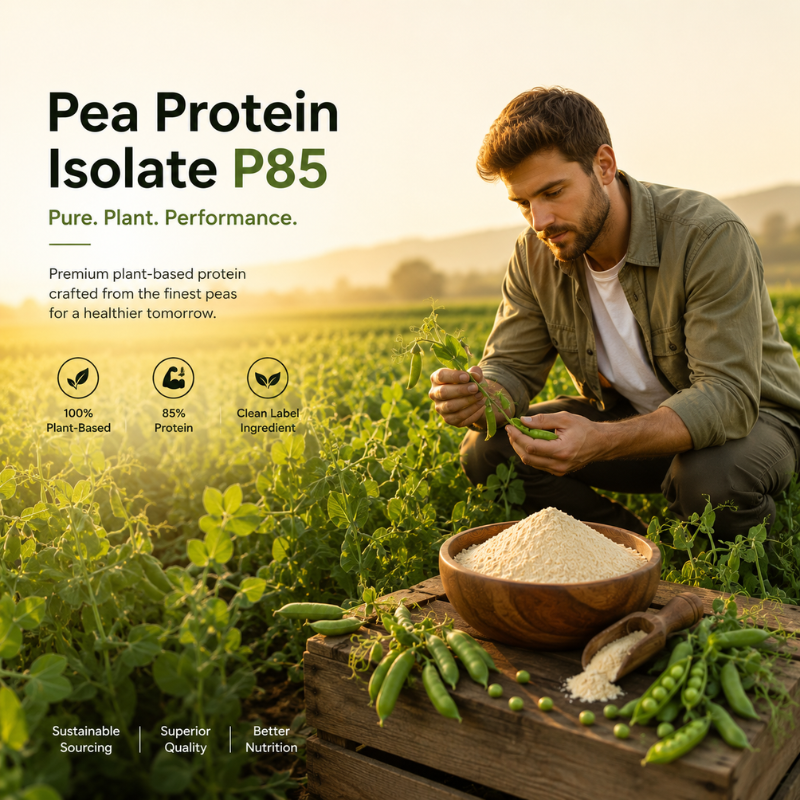
Highly refined protein with higher protein concentration. Processing can influence digestibility and functional performance.
Read the guide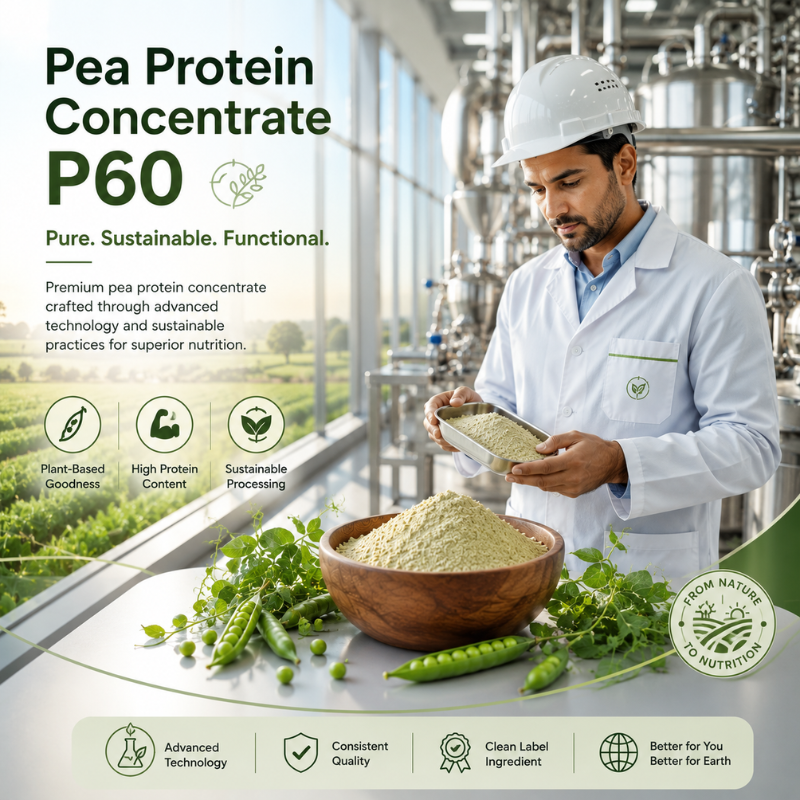
Moderately purified protein retaining more of the original food matrix while increasing protein content.
Read the guideSeveral internationally recognized methods are used to evaluate protein digestibility. The choice of assessment method depends on regulatory requirements, research objectives, and the intended application.
Laboratory methods simulate digestion using enzymes under controlled conditions. Advantages include reproducibility, lower cost, rapid analysis, and suitability for ingredient screening.
Animal or human studies measure protein digestion under physiological conditions. These provide biological data but require greater time, cost, and regulatory oversight.
Protein Digestibility-Corrected Amino Acid Score (PDCAAS) combines protein digestibility with amino acid composition. Widely used for regulatory and nutritional assessment in several regions.
Digestible Indispensable Amino Acid Score (DIAAS) is recommended by the FAO for assessing protein quality by evaluating digestibility of individual indispensable amino acids at the end of the small intestine.
Food processing can influence protein digestibility. Processing method, conditions, and ingredient type all play a role.
Food-grade enzymes such as protease and enzyme-enhanced proteins like Digest+ are used in formulations where controlled protein modification is required.
Knowledge of protein digestibility supports ingredient selection across many food categories.
Protein ingredients selected based on nutritional quality and formulation requirements.
Explore sports nutritionDigestibility is an important consideration for specialized nutritional uses, subject to applicable regulations.
Explore clinical nutritionDigestibility data helps manufacturers compare plant protein ingredients and optimize formulations.
Explore plant-based foodsDigestibility is one of several factors considered when selecting ingredients for dairy alternative products.
Explore dairy alternativesProtein powders, ready-to-drink beverages, and nutritional blends often use digestibility data during product development.
Explore dietary supplementsProtein manufacturers commonly evaluate digestibility alongside other quality parameters. Specifications vary depending on the intended application.

Protein digestibility describes the extent to which dietary proteins are hydrolyzed into peptides and amino acids and become available for absorption.
It is influenced by protein source, molecular structure, processing conditions, antinutritional factors, and interactions within the food matrix. Standardized methods such as in vitro digestion models, PDCAAS, and DIAAS are used to assess protein quality.
Understanding digestibility helps food manufacturers develop protein ingredients and formulate products for sports nutrition, plant-based foods, dairy alternatives, nutritional supplements, and other applications.
Protein digestibility is the proportion of dietary protein that is broken down into absorbable peptides and amino acids during digestion.
Key factors include the protein source, molecular structure, processing conditions, antinutritional factors, and interactions with other food components.
It is evaluated using laboratory (in vitro) methods, biological (in vivo) studies, and standardized protein quality assessment systems such as PDCAAS and DIAAS.
It helps manufacturers compare protein ingredients, optimize formulations, evaluate nutritional quality, and select suitable ingredients for different food applications.
Yes. Processing methods such as heat treatment, protein isolation, enzymatic hydrolysis, and fermentation can influence protein structure and, consequently, digestibility, depending on the processing conditions and ingredient involved.
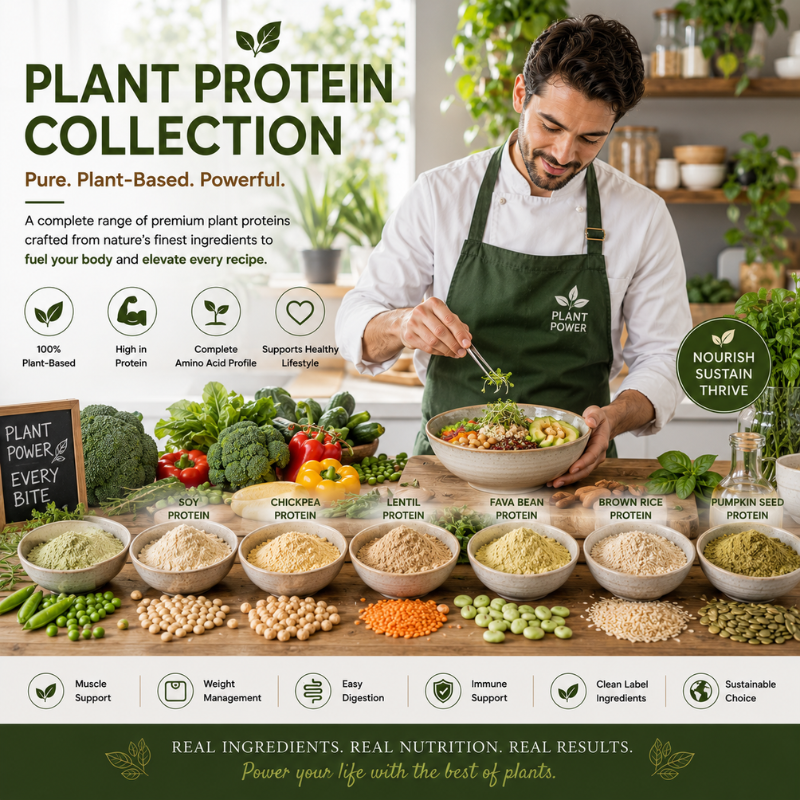
Explore plant-based proteins, enzyme-enhanced formulations, and protein comparison resources from Aspire Biozymes.