Soy Flour
Produced by grinding dehulled soybeans after oil extraction. Moderate protein content with higher carbohydrates and naturally occurring dietary fiber.
Applications: Bread, biscuits, cereals, snack products
A comprehensive guide to soy protein types, production, functional properties, nutritional composition, and applications across food and beverage manufacturing.
Soy protein is one of the most widely used plant-based protein ingredients in the global food industry. It is derived from soybeans (Glycine max) and is valued for its high protein content, functional versatility, and broad applicability across food and beverage manufacturing.
Commercial soy protein ingredients are produced through controlled processing methods that separate protein from oil, carbohydrates, and other naturally occurring components of the soybean. Depending on the manufacturing process, soy protein is available as soy flour, soy protein concentrate, and soy protein isolate, each with distinct nutritional and functional characteristics.
Soy protein is used in beverages, bakery products, dairy alternatives, meat products, nutrition bars, dietary supplements, infant foods (where permitted), and specialized nutritional formulations.
Soy protein is the protein-rich fraction extracted from soybeans after oil removal and further processing.
Unlike whole soybeans, commercial soy protein ingredients are manufactured to provide consistent protein content, functionality, and processing performance for food manufacturers. Soy protein ingredients have been used in commercial food production for several decades due to their reliable functionality and compatibility with a wide range of food systems.
Soy protein is obtained from soybeans (Glycine max), a legume cultivated in many parts of the world. Soybeans naturally contain protein, oil, carbohydrates, dietary fiber, vitamins, and minerals. During ingredient manufacturing, the protein fraction is concentrated or isolated to produce food-grade soy protein ingredients.
Commercial soy protein ingredients are generally classified into three categories — each with distinct protein levels and functional characteristics.
Produced by grinding dehulled soybeans after oil extraction. Moderate protein content with higher carbohydrates and naturally occurring dietary fiber.
Applications: Bread, biscuits, cereals, snack products
Manufactured by removing a significant portion of soluble carbohydrates while retaining much of the protein. Higher protein content than soy flour with good water absorption.
Applications: Bakery, meat products, nutritional foods, prepared foods
Undergoes further purification for high protein concentration, reduced fat and carbohydrate content, excellent functional performance, and good dispersibility.
Applications: Beverages, dairy alternatives, sports nutrition, protein supplements
Manufacturing Process
Commercial soy protein production typically involves several processing stages to concentrate or isolate the protein fraction from soybeans.
The nutritional composition of soy protein varies according to the product type and manufacturing process. Soy protein isolate contains a higher proportion of protein than soy flour or soy protein concentrate.
Soy protein contributes several important technological functions during food manufacturing that influence product quality and processing performance.
Soy protein absorbs and retains water, helping maintain product texture and yield.
Stabilizes oil-in-water emulsions in beverages, sauces, dressings, dairy alternatives, and processed foods.
Contributes to gel formation and structural integrity under suitable processing conditions.
Stabilizes air incorporation in bakery products, desserts, and whipped food systems.
Depends on protein type, formulation, processing conditions, pH, and other ingredients in the food system.
Soy protein is widely used across numerous food categories. The appropriate grade is selected based on formulation requirements and processing conditions.
Protein powders, meal replacement products, ready-to-drink protein beverages, and recovery drinks.
Explore sports nutritionSoy beverages, plant-based yogurt, dairy-free desserts, and nutritional beverages.
Explore dairy alternativesProcessed meat products, plant-based meat alternatives, meat analogues, and prepared foods.
Explore plant-based foodsProtein supplements, nutritional powders, functional foods, and clinical nutrition products.
Explore supplementsNutritional beverages, high-protein drinks, ready-to-drink formulations, and beverage concentrates.
Explore beveragesCommercial soy protein offers several formulation advantages for food and beverage manufacturers.
Isolates deliver high protein levels for sports nutrition and specialized formulations.
Excellent emulsifying properties support beverages, dairy alternatives, and processed foods.
Absorbs and retains water for improved texture and product yield.
Suitable for bakery, beverages, meat products, supplements, and more.
Flour, concentrate, and isolate options support diverse formulation needs.
Decades of reliable functionality across global food manufacturing.
Commercial soy protein ingredients are commonly evaluated against defined specifications. Additional requirements vary depending on customer needs and intended applications.
Proper storage helps preserve ingredient quality throughout its shelf life.
Soy protein ingredients should comply with applicable regulations governing food ingredient standards, food safety, Good Manufacturing Practices (GMP), ingredient labeling, and contaminant limits. Because soy is recognized as a major food allergen in many countries, manufacturers should follow local allergen declaration requirements.
Soy protein is a plant-derived protein ingredient produced from soybeans (Glycine max) through controlled processing that concentrates or isolates the protein fraction.
Commercial forms include soy flour, soy protein concentrate, and soy protein isolate, each offering different protein levels and functional characteristics across beverages, bakery, dairy alternatives, meat products, and nutritional supplements.
Manufacturers select the appropriate soy protein type based on formulation requirements, desired functionality, and regulatory considerations including allergen labeling.
Soy protein is a food ingredient produced from soybeans (Glycine max) by concentrating or isolating the protein fraction for use in food manufacturing.
The main commercial forms are soy flour, soy protein concentrate (SPC), and soy protein isolate (SPI).
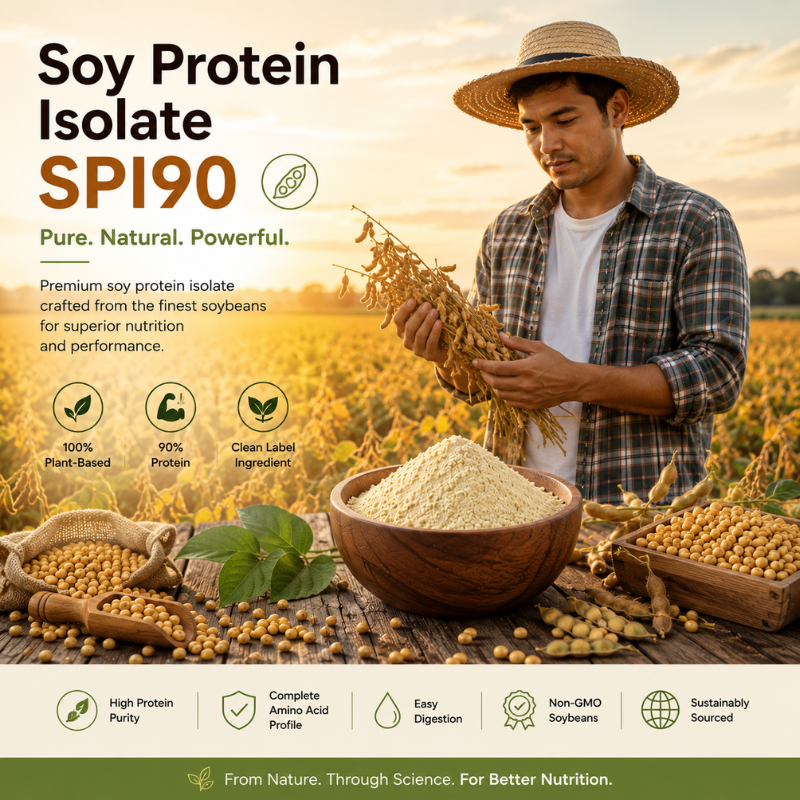
Soy protein isolate undergoes additional purification and generally contains a higher protein concentration than soy protein concentrate, which retains more non-protein components. See SPI 90 for our soy protein isolate product.
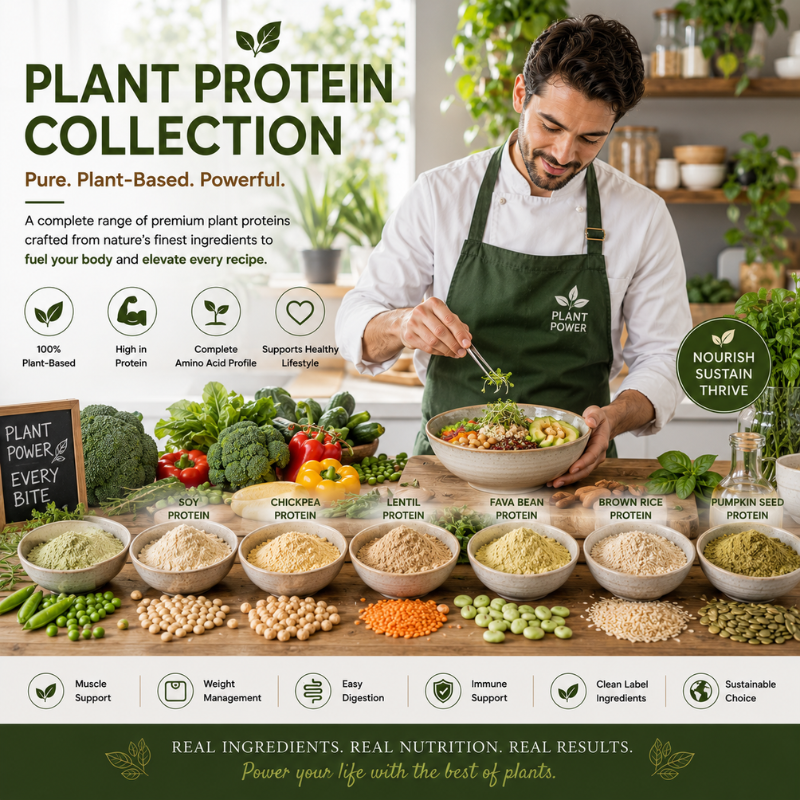
Soy protein is used in sports nutrition products, dairy alternatives, bakery products, processed meat products, plant-based foods, nutritional beverages, dietary supplements, and functional foods.
Yes. Soy is recognized as a major food allergen in many countries, and products containing soy protein should be labeled in accordance with the applicable food labeling regulations.
Explore SPI 90 product specifications or request samples from Aspire Biozymes.