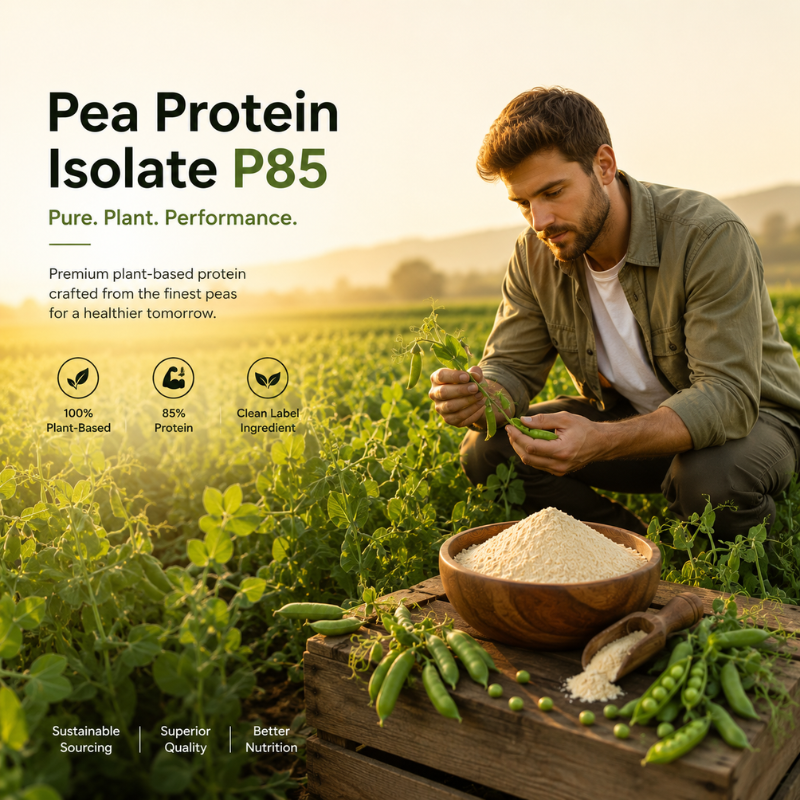
Pea Protein Isolate (P85)
Highly refined pea protein isolate for beverages, sports nutrition, and dairy alternatives.
Explore P85A comprehensive comparison of plant protein and animal protein — their sources, manufacturing, nutritional composition, functional properties, applications, and considerations for food manufacturing.
Proteins are essential macronutrients used in food manufacturing because they contribute to nutritional composition and influence functional properties such as emulsification, gel formation, foaming, and water binding. Commercial protein ingredients are broadly categorized into plant proteins and animal proteins, each with unique characteristics and applications.
Plant proteins are obtained from crops such as peas, soybeans, rice, wheat, and legumes, while animal proteins are derived from milk, eggs, meat, fish, and other animal sources. The choice between plant and animal proteins depends on product formulation, processing requirements, nutritional goals, regulatory considerations, consumer preferences, and the intended food application.
Plant proteins are extracted or concentrated from botanical sources.
Common commercial sources include yellow peas, soybeans, rice, wheat, chickpeas, lentils, oats, faba beans, and potato. Commercial plant proteins are available as protein isolates, protein concentrates, textured proteins, and protein hydrolysates. These ingredients are widely used in beverages, dairy alternatives, meat alternatives, bakery products, nutritional products, and functional foods.
Explore commercial plant protein grades for beverage, sports nutrition, dairy alternative, and functional food applications.
Highly refined pea protein isolate for beverages, sports nutrition, and dairy alternatives.
Explore P85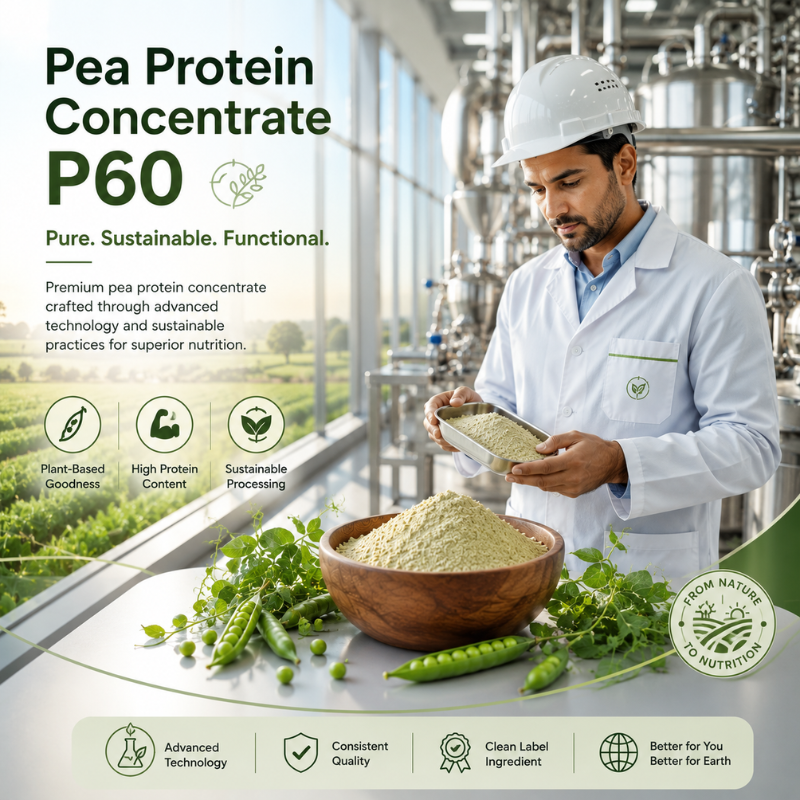
Moderately purified pea protein concentrate for nutrition bars, bakery, and blended formulations.
Explore P60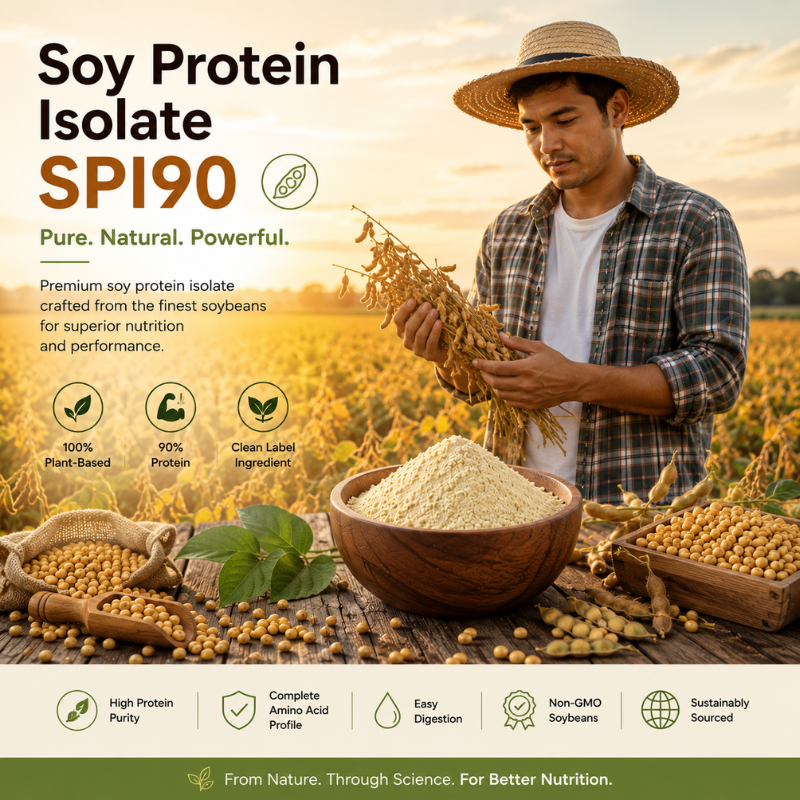
High-purity soy protein isolate for beverages, bakery, meat alternatives, and nutritional products.
Explore SPI 90Animal proteins originate from animal-derived raw materials.
Common commercial sources include milk, whey, casein, eggs, meat, poultry, fish, and collagen. Commercial products include whey protein isolate, whey protein concentrate, milk protein concentrate, casein, egg protein, and collagen peptides. These proteins are used across sports nutrition, dairy products, clinical nutrition, bakery products, beverages, confectionery, and processed foods.
Manufacturing
The nutritional composition of proteins varies according to their source and processing. The exact composition depends on the specific ingredient and manufacturing process.
| Characteristic | Plant Protein | Animal Protein |
|---|---|---|
| Source | Botanical | Animal-derived |
| Protein content | Varies by ingredient | Varies by ingredient |
| Fat content | Generally low in isolates | Depends on source and processing |
| Fiber | May be present in concentrates | Typically absent |
| Lactose | Not naturally present | May be present in dairy proteins |
Proteins differ in their amino acid profiles. Protein quality assessment commonly considers both amino acid composition and digestibility.
Different plant proteins contain varying proportions of essential amino acids. Examples include pea protein, soy protein, rice protein, and wheat protein. Some manufacturers combine multiple plant protein sources to achieve specific formulation objectives.
Animal-derived proteins vary in amino acid composition depending on their source. Examples include whey protein, casein, egg protein, and meat proteins.
Learn more: Protein Digestibility · Pea Protein vs Soy Protein
Both plant and animal proteins offer valuable functional characteristics for food formulation.
Depends on source, processing method, pH, temperature, and formulation. Specialized grades are available for beverage applications requiring high solubility.
Both can stabilize emulsions in beverages, sauces, dressings, and processed foods.
Many protein ingredients form gels under suitable processing conditions — including soy protein, pea protein, whey protein, and egg protein.
Proteins contribute to water retention, texture, and product stability in many food systems.
Certain plant and animal proteins are used where foam formation and stability are important, such as bakery products, whipped toppings, and desserts.
Plant and animal proteins serve distinct and overlapping roles across food and beverage categories.
Plant-based beverages, dairy alternatives, meat alternatives, bakery products, protein powders, nutrition bars, and functional foods.
Explore plant-based foodsDairy beverages, cheese, yogurt, sports nutrition, infant nutrition (where permitted), bakery products, and processed meat products.
Explore sports nutritionSustainability is one of several factors considered when selecting protein ingredients.
Plant protein production often requires different agricultural inputs than animal protein production. Factors such as land use, water use, greenhouse gas emissions, and farming practices vary considerably depending on the crop, livestock system, geographic region, and production method. Manufacturers increasingly evaluate sustainability alongside ingredient functionality, supply chain considerations, and product requirements.
Selecting a protein ingredient depends on multiple factors. In some formulations, blends of plant and animal proteins are used to achieve desired nutritional and functional characteristics.
Commercial protein ingredients are commonly evaluated against defined specifications. Quality requirements depend on the intended application.
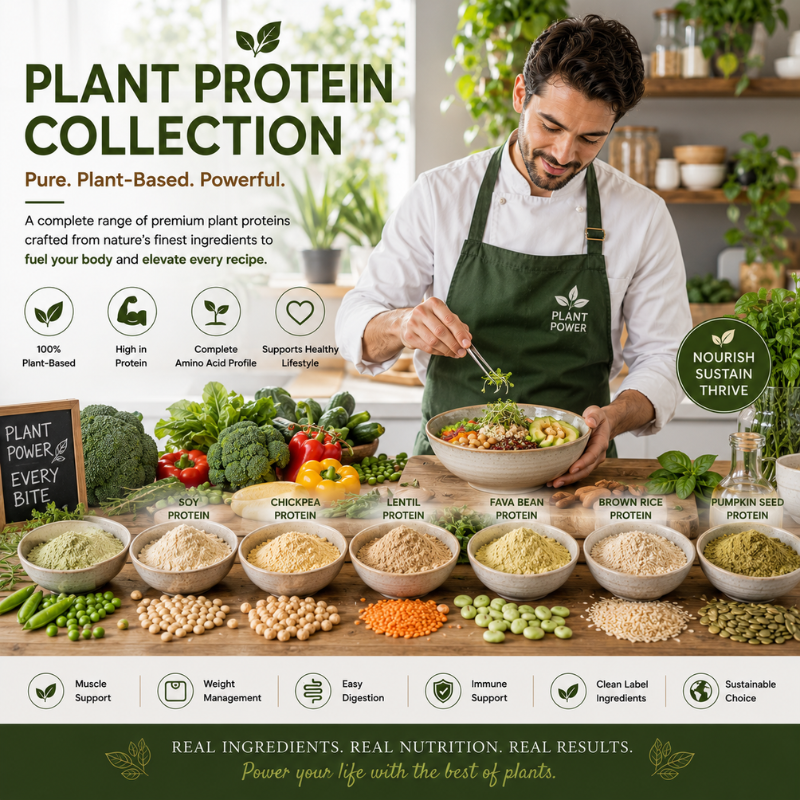
Plant proteins and animal proteins are two major categories of commercial protein ingredients used in food manufacturing.
Plant proteins are derived from botanical sources such as peas and soybeans, while animal proteins originate from milk, eggs, meat, and fish. Both provide valuable functional properties including emulsification, gel formation, foaming, and water binding.
Their nutritional composition, amino acid profiles, processing methods, and formulation characteristics differ, making ingredient selection dependent on product requirements, processing conditions, regulatory considerations, and consumer preferences.
Plant proteins are derived from botanical sources such as peas, soybeans, and grains, while animal proteins come from milk, eggs, meat, poultry, and fish.
Plant-based foods typically use proteins derived from peas, soybeans, rice, wheat, oats, chickpeas, lentils, or other plant sources.
Yes. Food manufacturers often blend plant and animal proteins to achieve specific nutritional, functional, and sensory characteristics.
The most suitable protein depends on the intended application, processing conditions, nutritional goals, flavor profile, regulatory requirements, and formulation objectives.
Both are widely used in sports nutrition, beverages, bakery products, dairy products, meat alternatives, dairy alternatives, nutritional supplements, functional foods, and specialized nutrition products.
Discover Pea Protein Isolate (P85), Pea Protein Concentrate (P60), Soy Protein Isolate (SPI 90), and the complete plant protein portfolio from Aspire Biozymes.