Protein Knowledge

What is Pea Protein?

A comprehensive guide to pea protein production, concentrate vs isolate, nutritional composition, functional properties, and applications across food and beverage manufacturing.

Pea protein in food manufacturing

Pea protein is a plant-derived protein ingredient obtained primarily from yellow peas (Pisum sativum). It is widely used in the food and beverage industry because of its high protein content, functional versatility, and compatibility with a broad range of food formulations.

Commercial pea protein ingredients are produced through controlled processing methods that separate protein from starch, fiber, and other naturally occurring components of the pea. Depending on the level of purification, the finished ingredient is marketed as pea protein concentrate or pea protein isolate.

Pea protein is incorporated into sports nutrition products, protein beverages, dairy alternatives, bakery products, meat alternatives, nutrition bars, meal replacements, dietary supplements, and numerous other food applications.
What is pea protein?

Pea protein is the concentrated protein fraction obtained from yellow peas through mechanical and aqueous processing techniques.

Unlike whole pea flour, commercial pea protein ingredients contain significantly higher levels of protein because much of the starch and fiber have been removed during manufacturing. Modern processing technologies produce ingredients with consistent composition, functional performance, and food safety suitable for industrial food manufacturing.

Source of pea protein

Commercial pea protein is primarily produced from yellow field peas (Pisum sativum), which belong to the legume family. Yellow peas are selected because they provide relatively high protein content, consistent crop quality, good processing characteristics, broad availability, and suitability for food manufacturing. After harvesting, peas are cleaned, dried, and prepared for protein extraction.

Types of pea protein

Commercial pea protein is generally available in two primary forms — each with distinct protein concentration and application profiles.

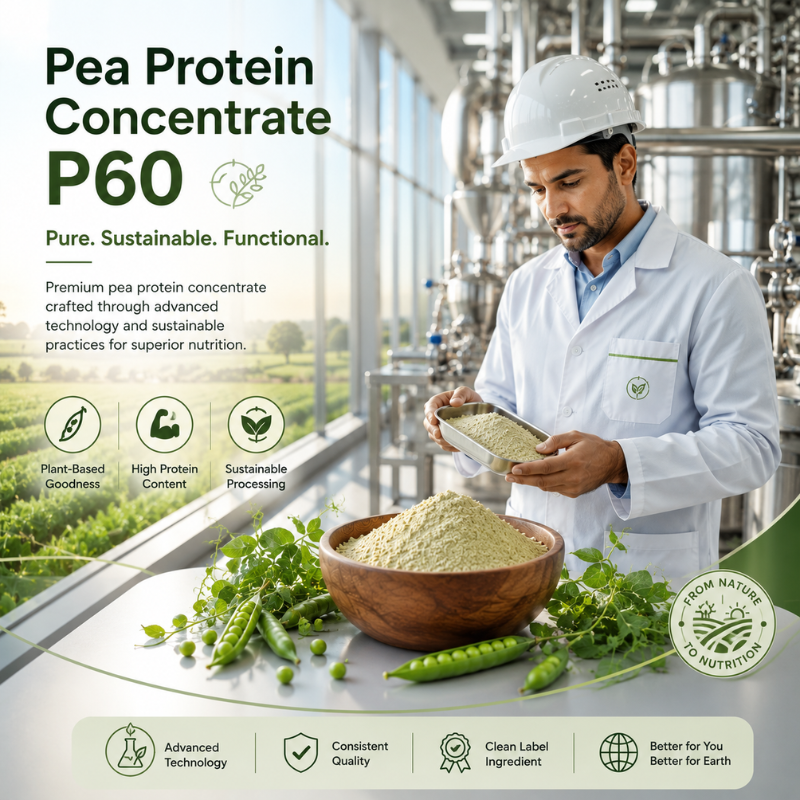
Pea Protein Concentrate (PPC)

Produced by removing part of the starch and soluble carbohydrates while retaining a significant portion of the protein. Moderate protein concentration with balanced nutritional composition and good water absorption.

Applications: Bakery products, snacks, cereals, protein-enriched foods

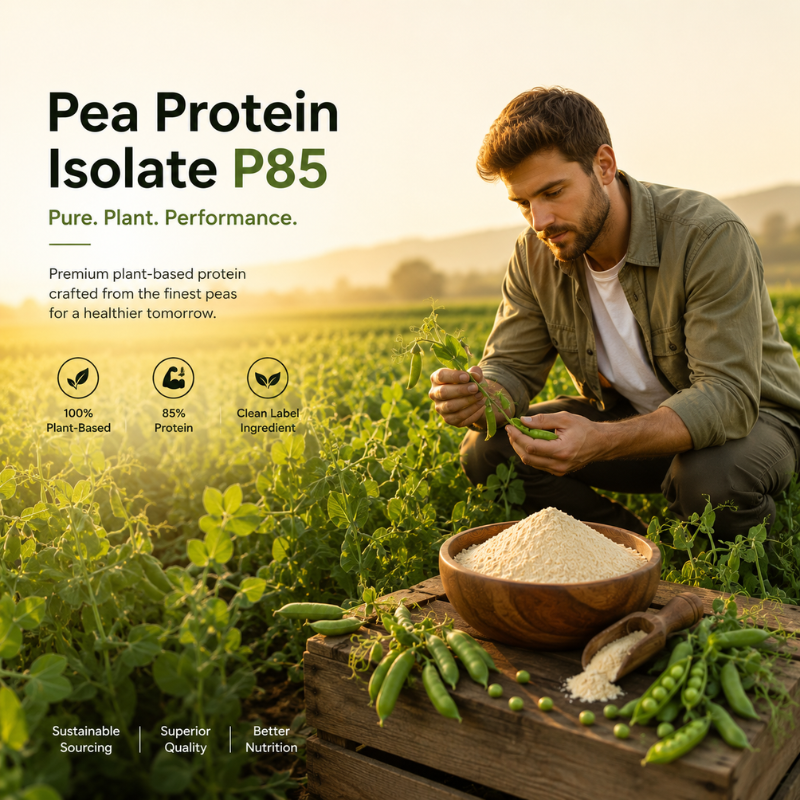
Pea Protein Isolate (PPI)

Undergoes additional purification to produce a higher protein concentration with improved functional properties, better dispersibility, and lower starch and fiber content.

Applications: Protein beverages, sports nutrition, meal replacements, specialized nutrition

Nutritional composition

The exact nutritional composition depends on the manufacturing process and product specifications. The proportions vary between concentrates and isolates.

  • Protein
  • Carbohydrates
  • Dietary fiber (higher in concentrates)
  • Small amounts of fat
  • Naturally occurring minerals

Functional properties

Pea protein contributes several important technological functions in food systems that influence product quality and manufacturing performance.

Water binding

Pea protein absorbs and retains water, influencing product yield and texture.

Emulsification

Stabilizes oil-in-water emulsions in beverages, sauces, dressings, and dairy alternatives.

Gel formation

Contributes to gel structure in selected food products under suitable processing conditions.

Foaming

Foaming properties utilized in bakery and dessert product formulations.

Heat stability

Processing performance depends on pH, formulation, and heating conditions — evaluate during product development.

Food applications

Pea protein is widely used across numerous food categories. The specific grade — concentrate or isolate — is selected based on formulation requirements.

Sports Nutrition

Protein powders, recovery beverages, meal replacement shakes, and ready-to-drink protein beverages.

Explore sports nutrition

Plant-Based Beverages

Plant-based milk, protein drinks, nutritional beverages, and smoothie mixes.

Explore beverages

Bakery Products

Bread, muffins, cakes, cookies, biscuits, and protein bakery products.

Explore bakery

Meat Alternatives

Plant-based meat products, protein patties, extruded protein products, and prepared foods.

Explore plant-based foods

Nutritional Supplements

Protein powders, meal replacement products, nutritional drink mixes, and functional nutrition.

Explore supplements

Advantages of pea protein

Commercial pea protein offers several formulation advantages for food and beverage manufacturers.

High Protein Concentration

Isolates deliver high protein levels suitable for sports nutrition and specialized formulations.

Functional Performance

Emulsification, water binding, and gel formation support diverse food systems.

Application Versatility

Suitable for beverages, bakery, meat alternatives, supplements, and more.

Plant-Based Formulations

Compatible with vegan and vegetarian product development.

Concentrate & Isolate Options

Two grades support economical fortification and high-purity applications.

Food System Compatibility

Works across many processing conditions and formulation types.

Quality parameters

Commercial pea protein is commonly evaluated against defined specifications. Additional requirements vary according to customer needs.

  • Protein content
  • Moisture
  • Fat content
  • Ash
  • Particle size
  • Solubility
  • Bulk density
  • Microbiological quality
  • Heavy metals
  • Food safety compliance

Storage

Proper storage helps maintain ingredient quality and shelf life.

  • Cool, dry environment
  • Sealed packaging
  • Protection from moisture
  • Away from direct sunlight
  • According to manufacturer recommendations

Regulatory considerations

Pea protein ingredients should comply with applicable regulations concerning food ingredients, food safety, Good Manufacturing Practices (GMP), ingredient labeling, contaminant limits, and import requirements. Manufacturers should verify compliance with regulations in the destination market.

Related products & guides

Scientific summary

Pea protein is produced from yellow peas (Pisum sativum) through controlled processing methods that concentrate or isolate the protein fraction while reducing starch and other components.

Commercial products are available as pea protein concentrates and pea protein isolates, each offering distinct nutritional compositions and functional properties across sports nutrition, dairy alternatives, bakery, meat alternatives, and nutritional supplements.

Pea protein is widely used because of its versatility, emulsification properties, and compatibility with modern food manufacturing processes.

Frequently asked questions

Pea protein is a plant-derived protein ingredient produced from yellow peas (Pisum sativum) through processes that concentrate or isolate the protein fraction.

Pea protein concentrate retains more natural carbohydrates and dietary fiber, while pea protein isolate undergoes additional purification to achieve a higher protein concentration. See P60 and P85 for product details.

Pea protein is used in protein powders, sports nutrition products, plant-based beverages, dairy alternatives, bakery products, meat alternatives, nutrition bars, meal replacements, and dietary supplements.

The process typically includes cleaning, milling, protein separation, purification, and drying to produce a stable powder suitable for food manufacturing.

Pea protein contributes water binding, emulsification, gel formation, foaming, and processing functionality, making it suitable for a wide range of food applications.

Ready to formulate with pea protein?

Explore P85 and P60 product pages or request specifications from Aspire Biozymes.