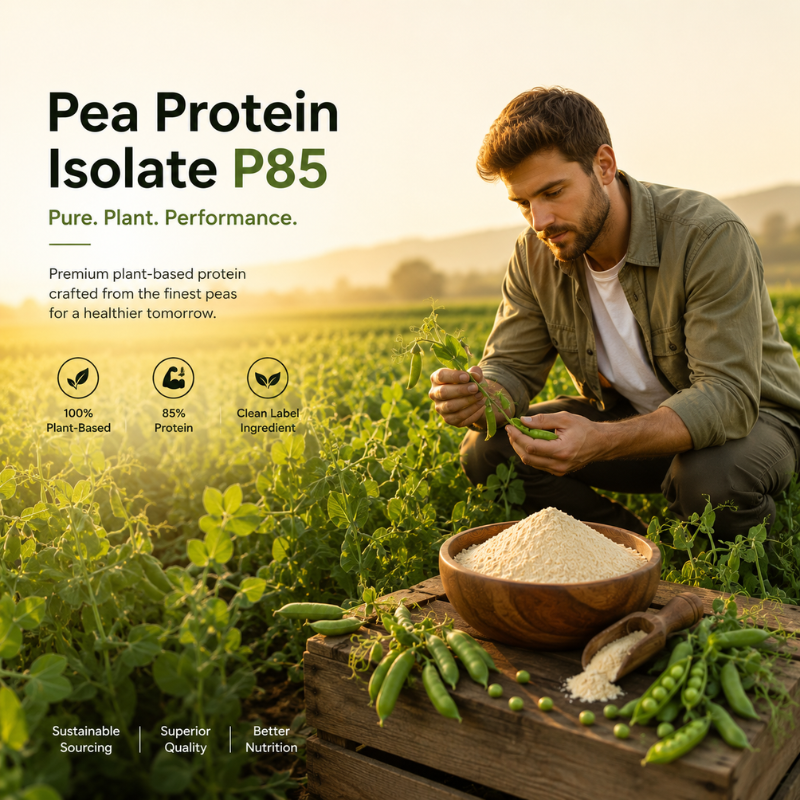
Pea Protein Isolate
Produced from yellow peas (Pisum sativum). Used in protein beverages, sports nutrition, dairy alternatives, meal replacements, and functional foods.
Explore P85A comprehensive guide to protein isolate production, types, functional properties, and applications — with a focus on plant-based pea and soy protein isolates.
Protein isolate is a highly refined protein ingredient produced by removing much of the fat, carbohydrates, fiber, and other non-protein components from a protein-rich raw material. The result is a concentrated protein ingredient with a high protein content and functional properties suitable for a wide range of food and beverage applications.
Protein isolates are manufactured from both plant and animal sources. Plant-based protein isolates are commonly produced from peas and soybeans, while animal-based protein isolates may be produced from milk or eggs. Aspire Biozymes focuses on plant-based protein isolates, particularly Pea Protein Isolate (P85) and Soy Protein Isolate (SPI 90).
Because of their high protein concentration and versatility, protein isolates are widely used in sports nutrition, dairy alternatives, beverages, bakery products, nutritional supplements, and specialized food formulations.
Protein isolate is the purified protein fraction obtained from a protein-containing raw material through controlled processing techniques designed to increase protein concentration while reducing other naturally occurring components.
Compared with less refined protein ingredients, isolates generally contain higher protein content, lower carbohydrate content, lower fat content, lower fiber content, and improved functional consistency. The exact composition depends on the raw material and manufacturing process.
Commercial protein isolates are produced from several food sources. Aspire Biozymes supplies plant-based pea and soy protein isolates.
Produced from yellow peas (Pisum sativum). Used in protein beverages, sports nutrition, dairy alternatives, meal replacements, and functional foods.
Explore P85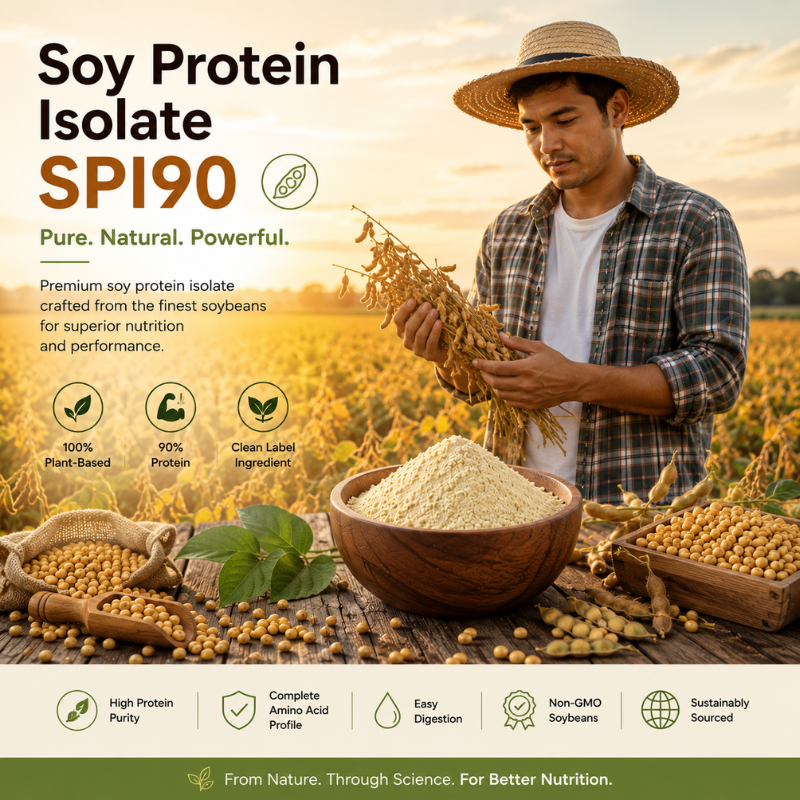
Produced from soybeans (Glycine max). Used in nutritional beverages, bakery, dairy alternatives, meat products, and protein supplements.
Explore SPI 90Other commercially available protein isolates include rice, potato, milk, whey, and egg protein isolates. Availability depends on the manufacturer and intended application.
Although both ingredients are concentrated protein sources, they differ in their degree of purification. The appropriate ingredient depends on the nutritional and functional requirements of the finished product.
| Feature | Protein Concentrate | Protein Isolate |
|---|---|---|
| Processing | Moderate purification | Higher purification |
| Protein content | Moderate to high | High |
| Carbohydrates | Higher | Lower |
| Fat | Higher | Lower |
| Fiber | Higher | Lower |
| Functional consistency | Good | Generally higher |
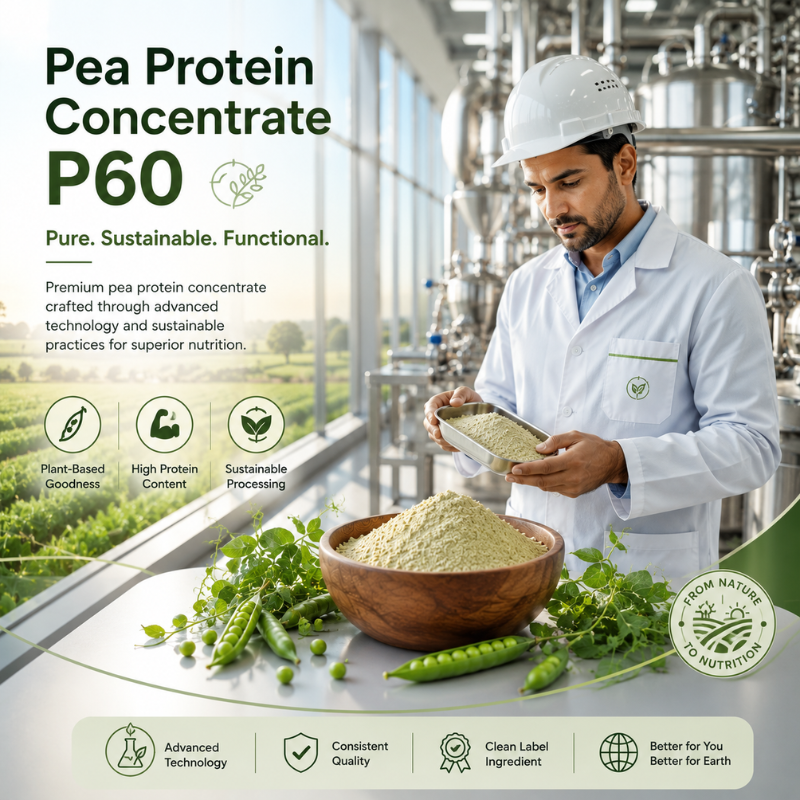
Compare our plant protein grades: Pea Protein Concentrate (P60), Pea Protein Isolate (P85), and Soy Protein Isolate (SPI 90) — or read What is Protein Concentrate? and the full Protein Comparison Guide.
Manufacturing Process
Commercial protein isolates are produced through several controlled processing steps to concentrate the protein fraction from raw materials.
Protein isolates contribute important functional characteristics in food systems that influence product quality and manufacturing performance.
High proportion of protein supports protein enrichment formulation objectives.
Absorbs and retains water, influencing texture and product consistency.
Stabilizes emulsions in beverages, sauces, dressings, and dairy alternatives.
Contributes to gel structure in selected food products under suitable conditions.
Stabilizes foam systems in bakery and dessert applications.
Available in different grades with varying solubility by source and manufacturing process.
Protein isolates are used in numerous food categories across sports nutrition, beverages, bakery, and specialized nutrition.
Protein powders, recovery drinks, ready-to-drink beverages, and meal replacements.
Explore sports nutritionHigh-protein beverages, nutritional drinks, functional beverages, and smoothie mixes.
Explore beveragesPlant-based milk, yogurt, dairy-free desserts, and nutritional beverages.
Explore dairy alternativesProtein bars, meal replacement bars, and functional snack bars.
Specialized nutritional formulations where appropriate and in compliance with applicable regulations.
Explore clinical nutritionManufacturers evaluate several characteristics when selecting a protein isolate. Selection depends on the requirements of the final product.
Isolate grade and source determine achievable protein levels in finished products.
Critical for beverages and homogeneous food matrices.
Affects texture in bars, bakery, and extruded products.
Essential for dairy alternatives and protein beverages.
Neutral profiles support consumer-acceptable finished products.
Processing tolerance during UHT, baking, and extrusion.
Must align with commercial manufacturing methods.
Batch consistency supports reliable product quality over time.
Commercial protein isolates are commonly evaluated against defined specifications. Product specifications vary according to application and customer requirements.
Protein isolates should generally be stored in a cool, dry environment, in sealed containers, protected from moisture and direct sunlight, according to the manufacturer's recommendations.
Protein isolates should comply with applicable regulations regarding food ingredient standards, food safety, Good Manufacturing Practices (GMP), ingredient labeling, allergen labeling where applicable, and contaminant limits. Manufacturers should ensure compliance with the regulations of the destination market.
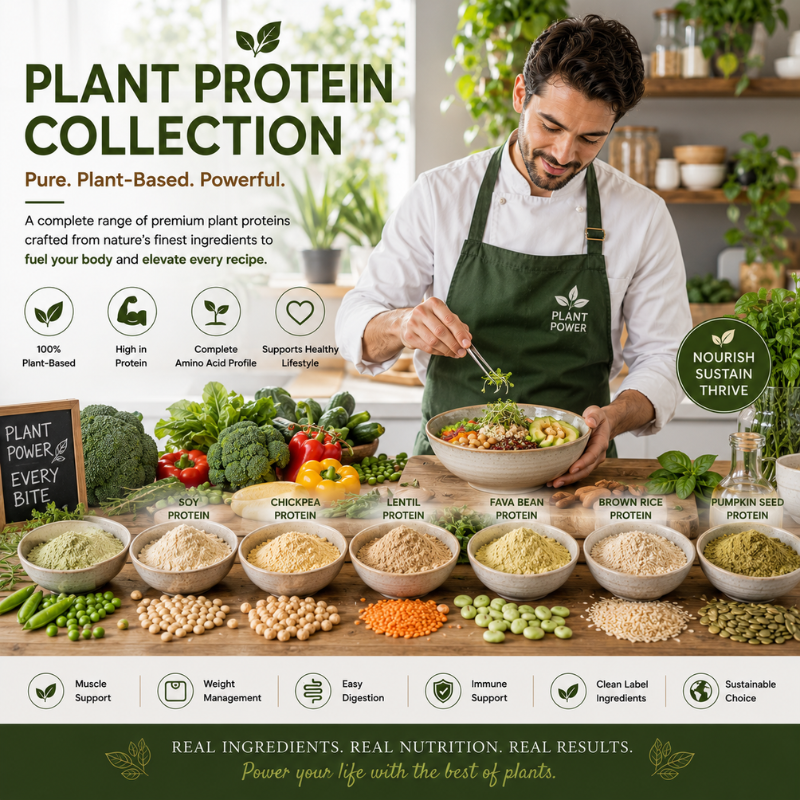
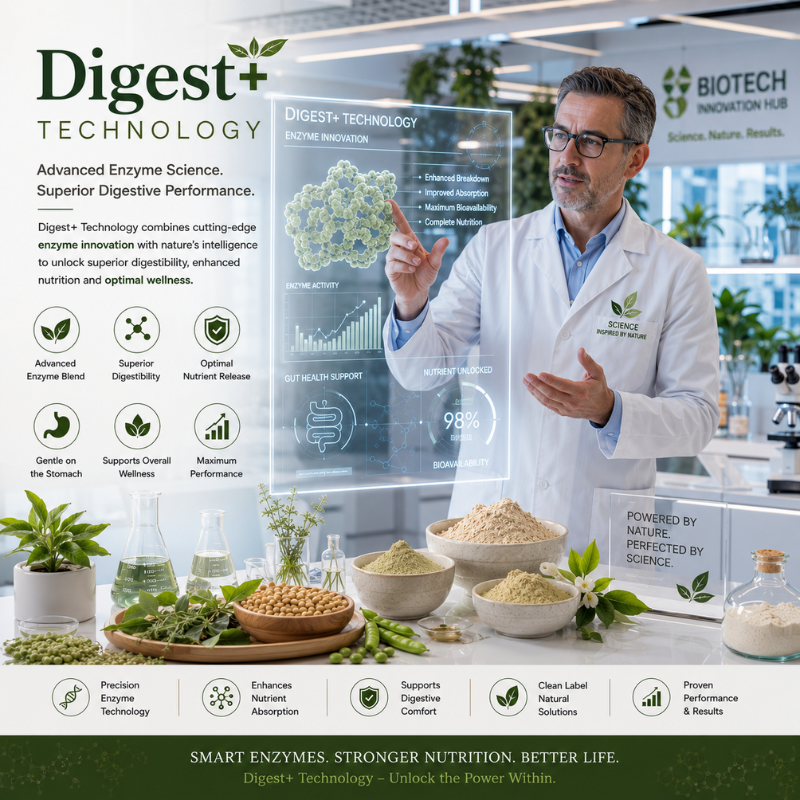
Protein isolate is a highly purified protein ingredient produced by concentrating the protein fraction of plant or animal raw materials while reducing carbohydrates, fat, and other non-protein components.
Plant protein isolates such as pea protein isolate and soy protein isolate are widely used in sports nutrition, beverages, dairy alternatives, bakery products, nutritional supplements, and specialized food formulations because of their high protein concentration and functional properties.
The selection of a protein isolate depends on formulation objectives, processing requirements, and regulatory compliance.
A protein isolate is a highly refined protein ingredient produced by removing much of the fat, carbohydrates, fiber, and other non-protein components from a protein-rich raw material.
Protein isolates undergo additional purification and generally contain a higher proportion of protein with lower levels of carbohydrates, fat, and fiber than protein concentrates.
Pea Protein Isolate and Soy Protein Isolate are among the most widely used plant protein isolates in food and beverage manufacturing.
Protein isolates are used in sports nutrition products, beverages, dairy alternatives, bakery products, nutrition bars, meal replacements, dietary supplements, and specialized nutritional formulations.
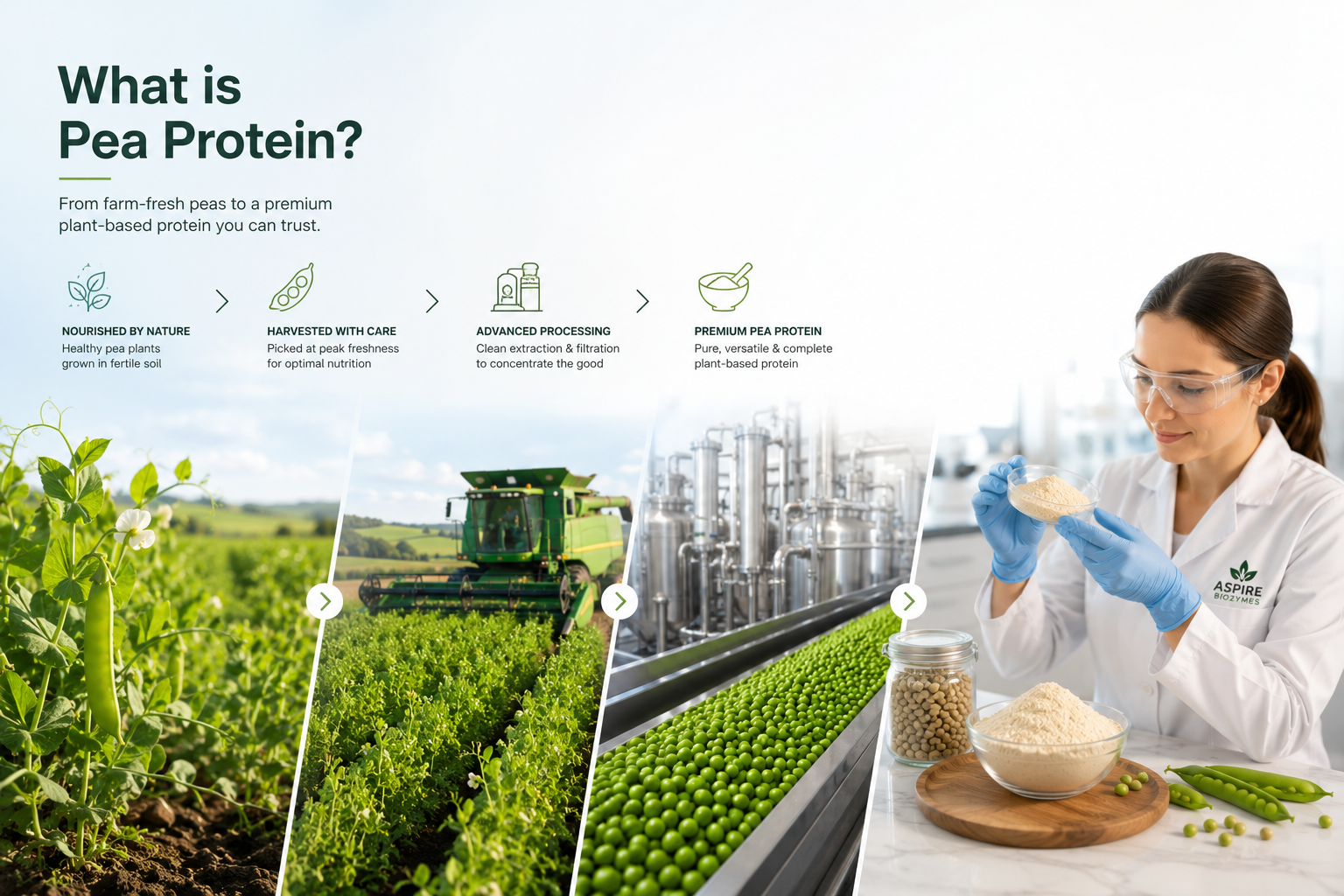
The manufacturing process typically includes raw material preparation, protein extraction, purification, and drying to produce a stable powder with a high protein concentration.
Explore P85 and SPI 90 product pages or request specifications from Aspire Biozymes.