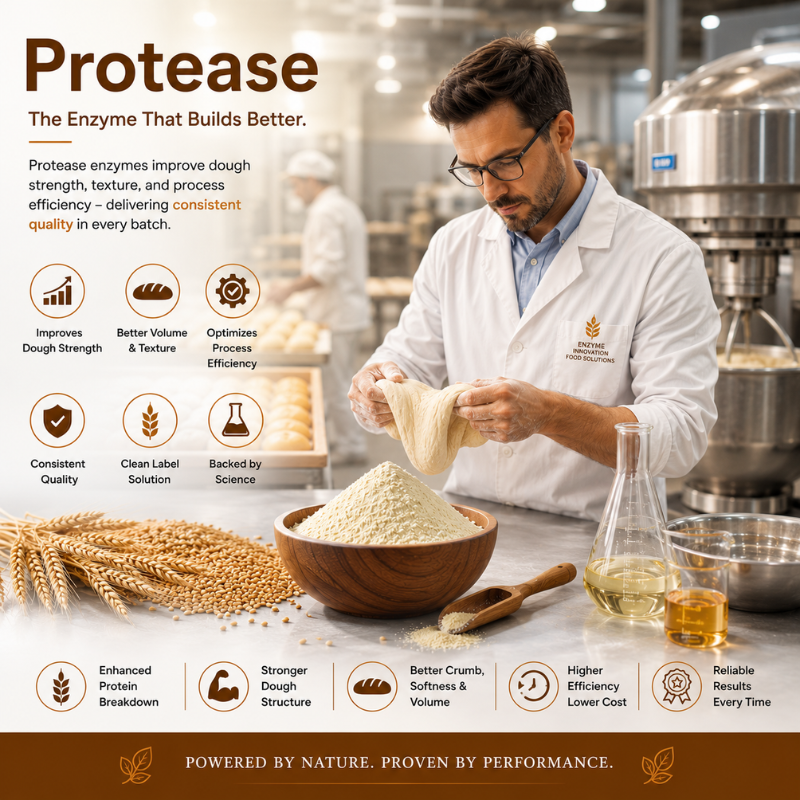
Protease
Broad-spectrum proteolytic enzymes used for controlled protein breakdown in food and nutritional applications.
Explore proteaseA comprehensive guide to protein hydrolysis — how proteins are broken into peptides and amino acids, the methods used, degree of hydrolysis, functional properties, and applications in modern food manufacturing.
Protein hydrolysis is the process of breaking large protein molecules into smaller peptides and amino acids by cleaving peptide bonds. This modification can be achieved through enzymatic, chemical, or thermal processes, although enzymatic hydrolysis is widely used in modern food manufacturing because it offers greater control over the reaction.
Hydrolyzed proteins are used across many sectors of the food industry, including sports nutrition, clinical nutrition, infant nutrition (where permitted by regulations), beverages, dairy products, bakery, and plant-based foods. The extent of hydrolysis influences the functional and processing characteristics of the final ingredient.
Understanding protein hydrolysis helps manufacturers select suitable ingredients, optimize processing conditions, and develop products with consistent quality.
Proteins are long chains of amino acids connected by peptide bonds. Protein hydrolysis is the controlled cleavage of these peptide bonds, producing large peptides, medium-sized peptides, small peptides, and free amino acids.
The level of protein breakdown depends on the hydrolysis process, reaction conditions, and the desired characteristics of the finished ingredient.
Process
Protein hydrolysis occurs when water molecules participate in breaking peptide bonds.
The resulting ingredient has physical and functional properties that differ from the original protein.
Several methods are used to hydrolyze proteins. Enzymatic hydrolysis is the most widely used approach in food manufacturing.
Food-grade proteolytic enzymes selectively cleave peptide bonds under controlled conditions. Common enzymes include protease, papain, bromelain, and microbial proteases. Advantages include controlled reaction, specific modification, consistent quality, and mild processing conditions.
Proteins may be hydrolyzed using mineral acids under carefully controlled conditions. Commonly used for analytical purposes and certain industrial applications; may alter some amino acids if processing is not carefully controlled.
Strong alkaline conditions can hydrolyze proteins. Limited use in food ingredient manufacturing compared with enzymatic methods because alkaline treatment may modify certain amino acids.
Heat treatment alone can contribute to protein breakdown under specific processing conditions, although it is generally less selective than enzymatic hydrolysis.
Food-grade proteolytic enzymes are the primary tools for controlled protein hydrolysis in commercial food manufacturing.
Broad-spectrum proteolytic enzymes used for controlled protein breakdown in food and nutritional applications.
Explore protease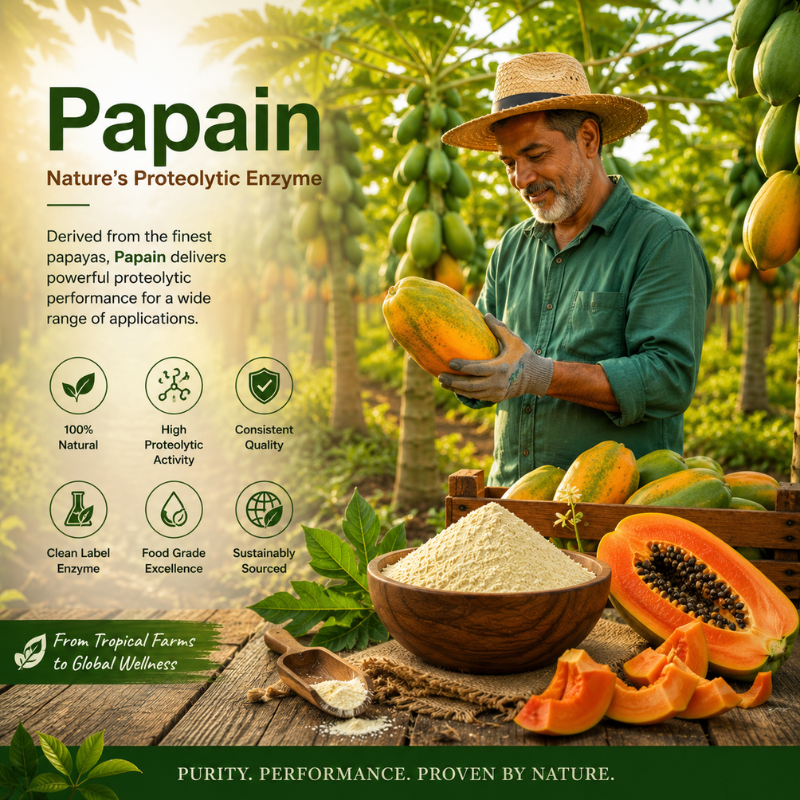
Plant-derived cysteine protease from papaya, widely used for protein hydrolysis and tenderization.
Explore papain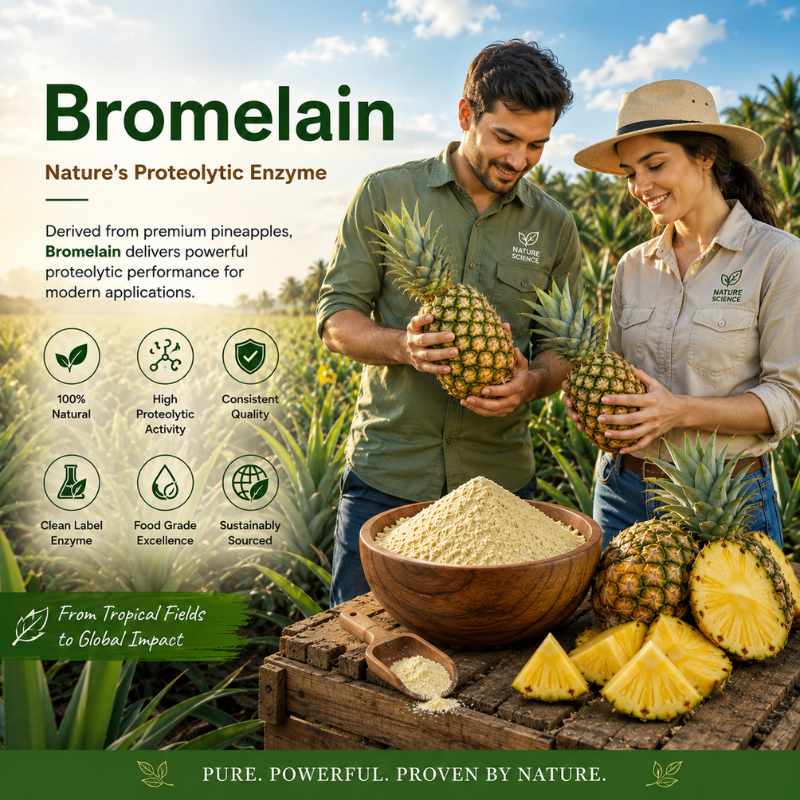
Proteolytic enzyme from pineapple used for protein modification in food processing applications.
Explore bromelainSeveral variables influence the hydrolysis process. Manufacturers control these parameters to achieve consistent, targeted results.
Different enzymes cleave peptide bonds at different locations, affecting the size and composition of resulting peptides.
Each enzyme has an optimal operating temperature. Excessive heat may reduce enzyme activity through denaturation.
Hydrolysis efficiency depends on maintaining the appropriate pH for the selected enzyme.
Increasing enzyme concentration generally increases the hydrolysis rate until substrate availability becomes limiting.
Longer processing times generally result in greater protein breakdown. Reaction time is carefully controlled to achieve the desired degree of hydrolysis.
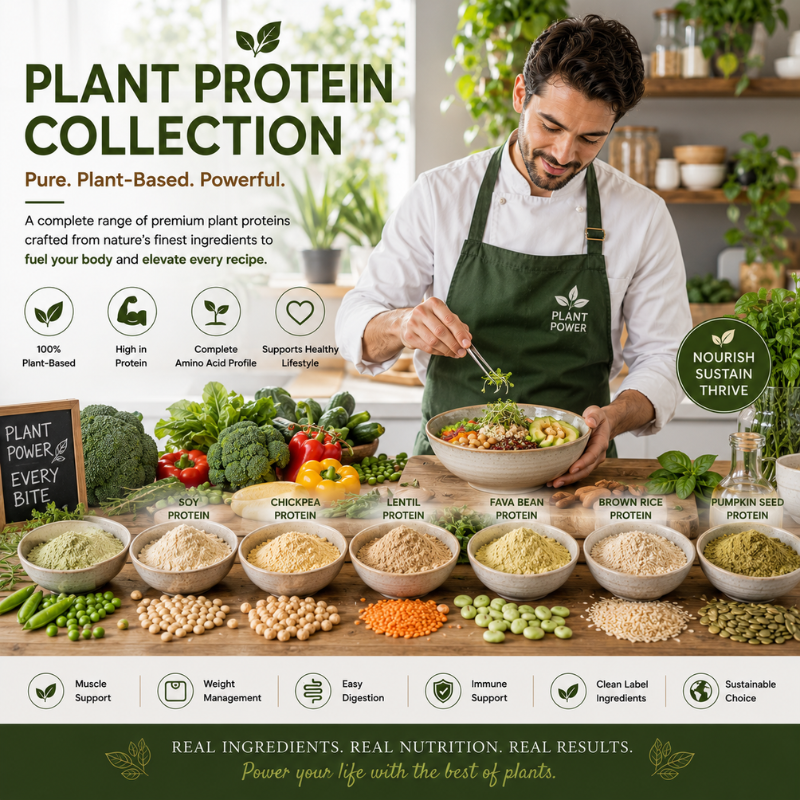
Different proteins respond differently to hydrolysis because of variations in structure and amino acid composition — including pea, soy, whey, casein, rice, and wheat proteins.
Plant-based proteins such as pea and soy protein are commonly used as substrates for enzymatic hydrolysis in food manufacturing.
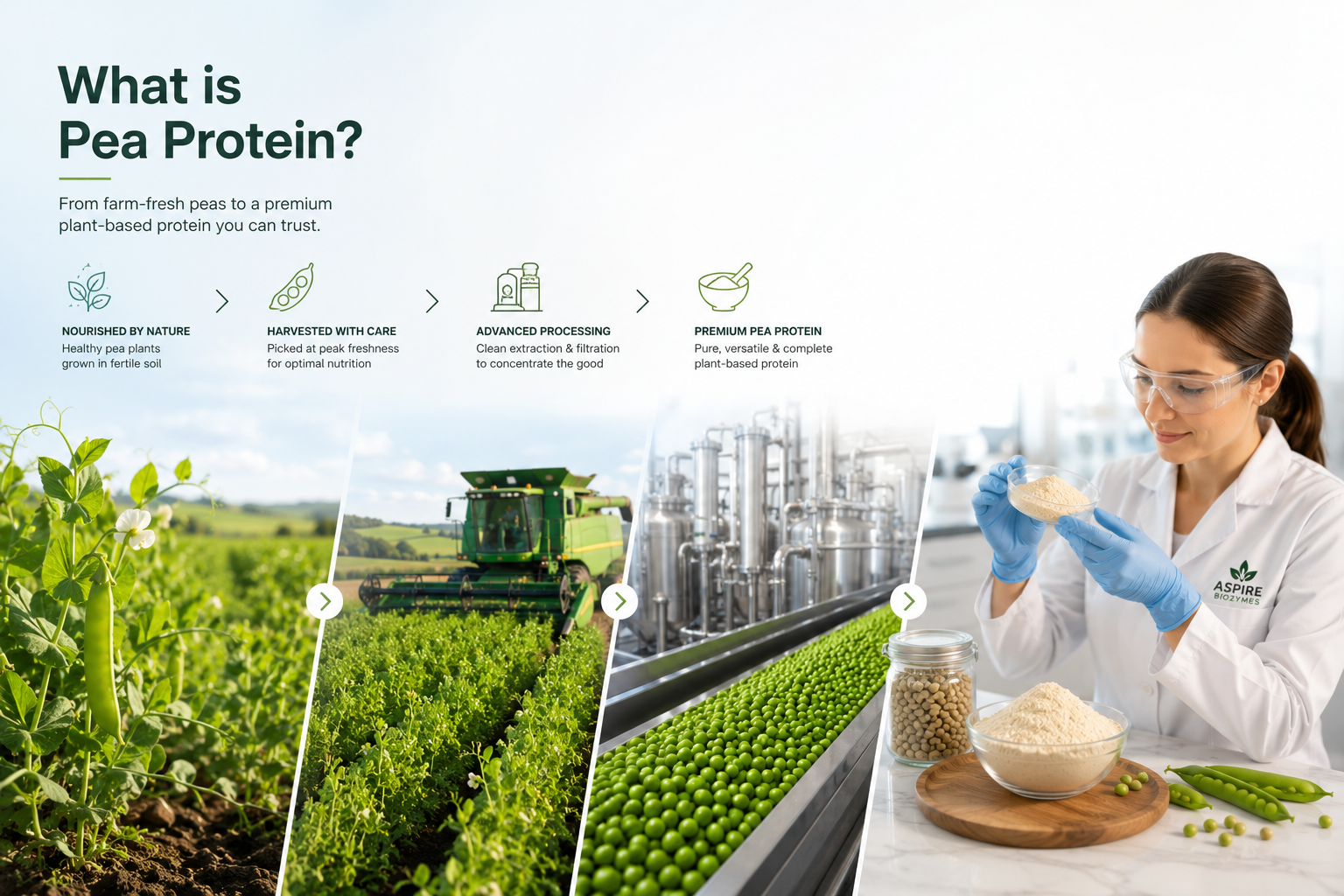
Plant-based protein from yellow peas, available as concentrate and isolate grades for hydrolysis and formulation.
Read the guide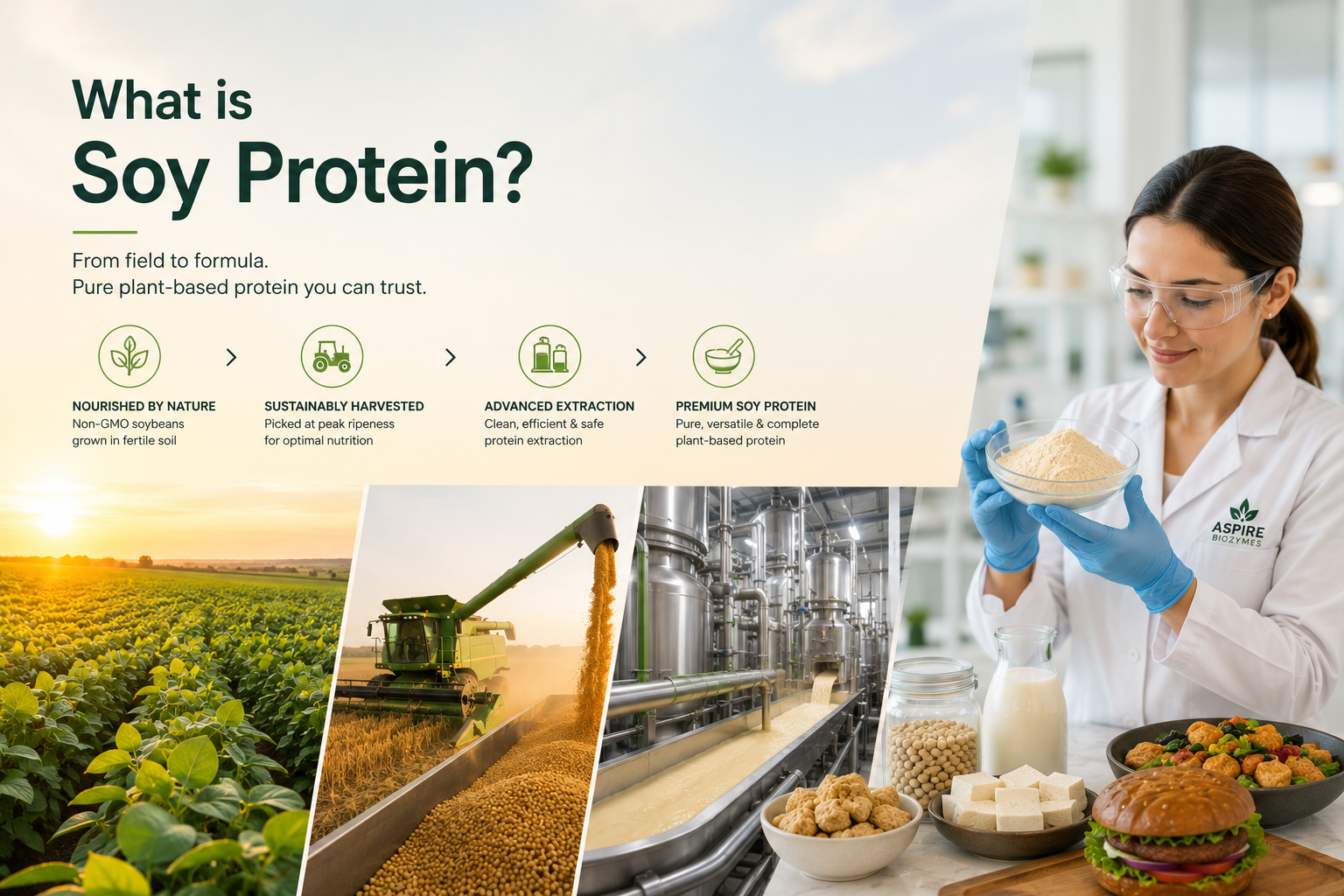
Complete plant protein from soybeans, widely used as a substrate for enzymatic hydrolysis in nutritional products.
Read the guide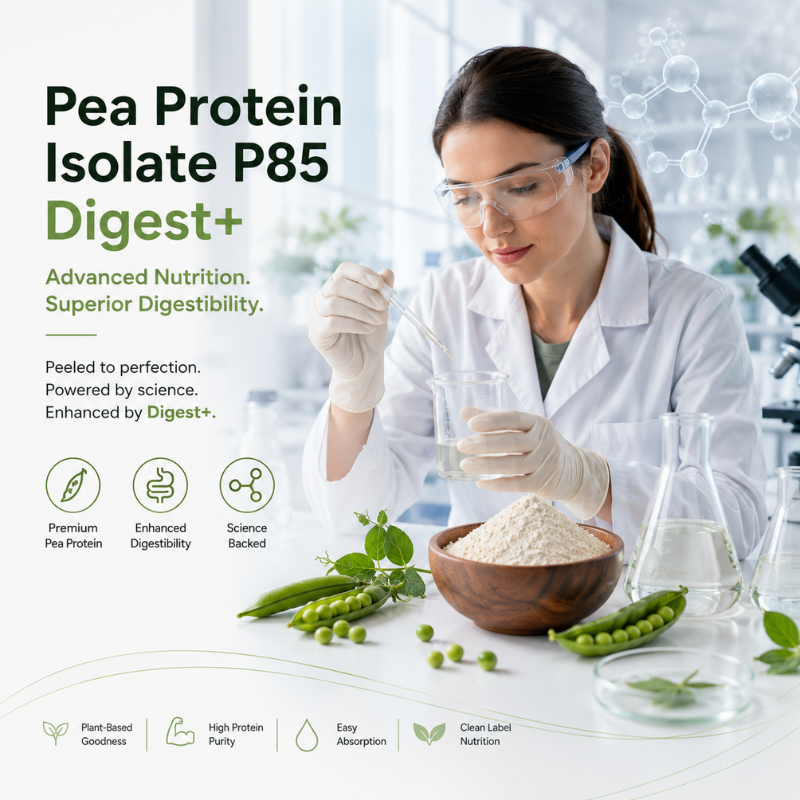
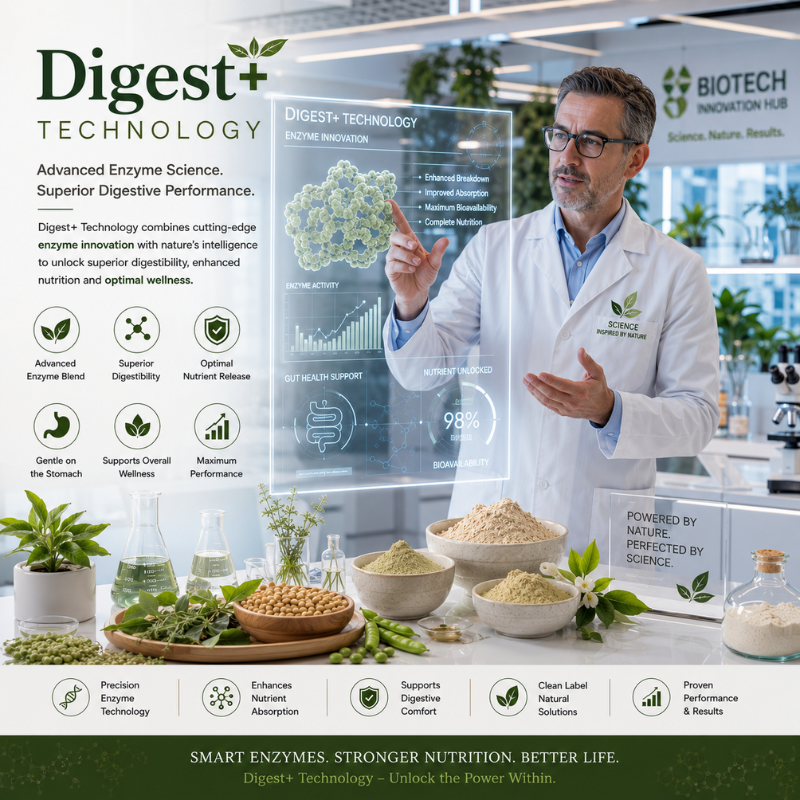
Pea and soy proteins with integrated enzyme technology for controlled protein modification.
Explore Digest+The Degree of Hydrolysis (DH) expresses the proportion of peptide bonds that have been cleaved during hydrolysis. It is commonly reported as a percentage.
Manufacturers select the target DH based on the intended application and the desired functional properties.
Protein hydrolysis can modify several functional characteristics of the ingredient.
Hydrolysis often changes protein solubility, although the effect depends on the protein source and degree of hydrolysis.
Hydrolyzed proteins may exhibit different emulsifying characteristics compared with intact proteins.
Hydrolysis can influence foam formation and stability, depending on peptide size and processing conditions.
Changes in peptide structure may affect water-holding capacity in certain food systems.
Controlled hydrolysis enables manufacturers to tailor ingredients for specific formulation and processing requirements.
Hydrolyzed proteins are used in many food categories where modified functional properties are required.
Protein powders, ready-to-drink beverages, and nutrition products.
Explore sports nutritionSpecialized nutritional products formulated according to applicable regulations and product requirements.
Explore clinical nutritionBeverages, meat alternatives, dairy alternatives, and nutritional products.
Explore plant-based foodsNutritional dairy beverages, fermented dairy products, and protein-fortified dairy foods.
Explore dairyManufacturers commonly evaluate hydrolyzed proteins against defined specifications. Requirements vary according to the intended application.
Hydrolyzed protein ingredients should comply with applicable regulations relating to food ingredient standards, food safety requirements, Good Manufacturing Practices (GMP), ingredient labeling, and country-specific regulatory requirements.
Protein hydrolysis is the controlled breakdown of proteins into peptides and amino acids by cleaving peptide bonds.
It can be achieved through enzymatic, acid, alkaline, or thermal methods, with enzymatic hydrolysis being the most widely used in food manufacturing because of its specificity and process control.
The degree of hydrolysis influences functional characteristics including solubility, emulsification, foaming, and processing behavior. Hydrolyzed proteins are widely used in sports nutrition, dairy products, plant-based foods, clinical nutrition, and other specialized food applications.
Protein hydrolysis is the controlled process of breaking proteins into smaller peptides and amino acids by cleaving peptide bonds.
Enzymatic hydrolysis using food-grade proteases is the most widely used method because it provides precise control over protein modification under relatively mild processing conditions.
The Degree of Hydrolysis (DH) is the percentage of peptide bonds that have been cleaved during protein hydrolysis. It indicates the extent of protein breakdown.
Common food-grade enzymes include protease, papain, bromelain, and selected microbial proteases, depending on the protein source and intended application.
Hydrolyzed proteins are used in sports nutrition, clinical nutrition, dairy products, plant-based foods, bakery products, nutritional beverages, and specialized food formulations where their functional properties are beneficial.
Discover food-grade proteases, enzyme-enhanced proteins, and plant-based protein ingredients from Aspire Biozymes.