Protein Knowledge
Protein Bioavailability
Understanding how proteins are digested, absorbed, and utilized — and why bioavailability matters for food manufacturing and nutritional product development.
More than protein content alone
Protein is an essential nutrient that supports the structure and function of every cell in the human body. However, the nutritional value of a protein depends not only on how much protein it contains but also on how efficiently the body can digest, absorb, and utilize its amino acids.
This concept is known as protein bioavailability. It is an important consideration in nutrition science, food manufacturing, and product formulation because proteins with different sources and processing methods may vary in their digestibility and amino acid availability.
Understanding protein bioavailability helps manufacturers select suitable ingredients for functional foods, sports nutrition, dietary supplements, clinical nutrition products, and plant-based formulations.
What is protein bioavailability?
Protein bioavailability refers to the proportion of dietary protein that is digested, absorbed, and made available for normal physiological functions.
After protein is consumed, it undergoes several stages:
- Digestion into smaller peptides and amino acids
- Absorption through the small intestine
- Transport into the bloodstream
- Utilization by the body for protein synthesis and other biological functions
The more efficiently these steps occur, the greater the protein's bioavailability.
Why protein bioavailability matters
High-quality proteins help provide essential amino acids that support normal body functions. Protein bioavailability is important in sports nutrition, clinical nutrition, meal replacement products, functional foods, infant nutrition, healthy aging nutrition, plant-based food development, and dietary supplements.
Manufacturers consider bioavailability when selecting protein ingredients to achieve nutritional objectives and optimize product performance.
Digestion
How protein is digested
Protein digestion begins in the stomach and continues in the small intestine.
- Stomach — hydrochloric acid unfolds protein structures; pepsin begins breaking proteins into smaller peptide chains
- Small intestine — pancreatic enzymes including trypsin and chymotrypsin further hydrolyze peptides into smaller fragments and amino acids
- Absorption — intestinal cells absorb amino acids and small peptides into the bloodstream for use in normal metabolic processes
Factors that influence protein bioavailability
Several factors influence how efficiently proteins are utilized by the body.
Amino acid composition
Proteins that provide all essential amino acids in suitable proportions generally have higher nutritional quality.
Digestibility
Proteins that are easily broken down by digestive enzymes generally provide amino acids more efficiently than proteins that are less digestible.
Food processing
Heat treatment, enzymatic hydrolysis, fermentation, drying, and extrusion can influence protein structure and digestibility. Appropriate processing can improve functionality; excessive processing may reduce nutritional quality.
Anti-nutritional factors
Phytates, trypsin inhibitors, tannins, and lectins in some plant materials can influence nutrient availability. Modern processing techniques are commonly used to reduce these compounds in commercial protein ingredients.
Overall diet
Protein quality should be evaluated within the context of the entire diet. A balanced dietary pattern containing a variety of protein-rich foods contributes to adequate amino acid intake.
Measuring protein quality
Scientists use standardized methods to evaluate protein quality and bioavailability.
PDCAAS
Protein Digestibility-Corrected Amino Acid Score (PDCAAS) evaluates protein quality by combining amino acid composition and protein digestibility. For many years, it has been one of the most widely used methods for assessing dietary protein quality.
DIAAS
Digestible Indispensable Amino Acid Score (DIAAS) is a newer evaluation method recommended by the Food and Agriculture Organization (FAO). Compared with PDCAAS, DIAAS evaluates the digestibility of each essential amino acid individually, providing a more detailed assessment of protein quality.
Pea Protein Isolate
High-concentration plant protein with good digestibility
Characteristics include high protein concentration, good digestibility, excellent formulation versatility, and wide use in sports nutrition and functional foods.
View Pea Protein Isolate (P85)Pea Protein Concentrate
Balanced protein for diverse food applications
Suitable for bakery products, plant-based foods, functional beverages, and nutritional products.
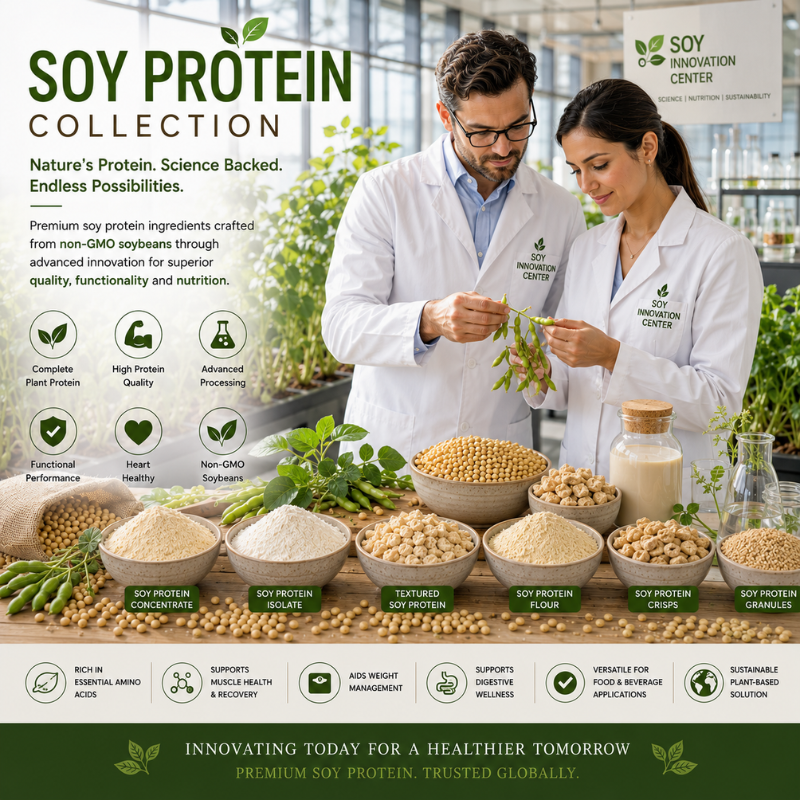
View Pea Protein Concentrate (P60)Soy Protein Isolate
Well-balanced amino acid profile with high digestibility
Recognized for high protein content, well-balanced amino acid profile, high digestibility, and broad commercial applications.
View Soy Protein Isolate (SPI 90)Improving protein bioavailability
Food manufacturers may optimize protein utilization through various formulation and processing approaches.
Ingredient selection
Selecting protein sources appropriate for the intended application.
Protein blending
Combining multiple plant proteins to create complementary amino acid profiles.
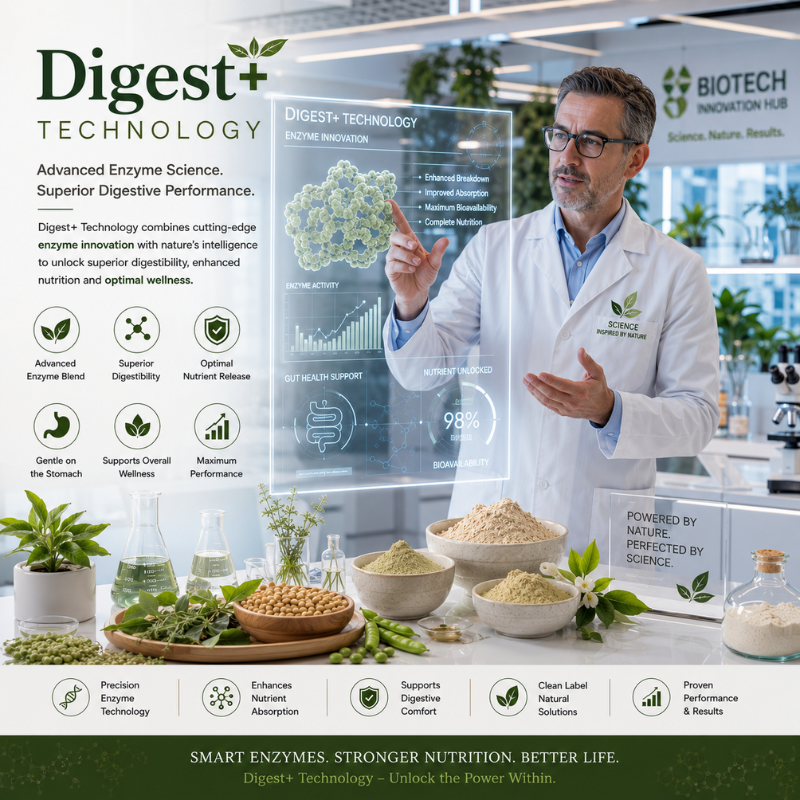
Enzymatic processing
Controlled enzymatic hydrolysis can modify protein structure for specific food applications and functional characteristics.
Manufacturing practices
Optimized processing conditions help maintain ingredient quality and product consistency.
Explore custom protein blends and enzyme-fortified proteins for formulation options.
Applications in food manufacturing
Understanding protein bioavailability supports product development across many categories. Manufacturers evaluate protein ingredients based on nutritional quality, functionality, processing characteristics, sensory performance, and intended application.
- Protein Powders
- Ready-to-Drink Beverages
- Meal Replacements
- Sports Nutrition
- Functional Foods
- Clinical Nutrition
- Plant-Based Foods
- Dairy Alternatives
- Protein Bars
- Nutritional Supplements
Common misconceptions
Higher protein content does not always mean higher quality
The amount of protein in a product is only one factor. Amino acid composition and digestibility are also important considerations.
Plant proteins can be highly bioavailable
Modern plant protein ingredients, including pea protein isolate and soy protein isolate, are widely used in commercial nutritional products because of their favorable nutritional and functional characteristics.
Processing can influence protein quality
Appropriate manufacturing methods help maintain protein functionality and nutritional value, while processing conditions should be carefully controlled.
Why Aspire Biozymes?
Aspire Biozymes supplies high-quality plant protein ingredients designed for modern food and nutrition applications, including pea protein isolate, pea protein concentrate, soy protein isolate, enzyme-fortified protein solutions, custom protein blends, and protein + fiber blends.
Our technical team assists manufacturers with ingredient selection, formulation guidance, and product development to help create products with consistent quality and performance.
Related guides & products
Complete vs Incomplete Protein
Read the guide
Protein Absorption
Read the guide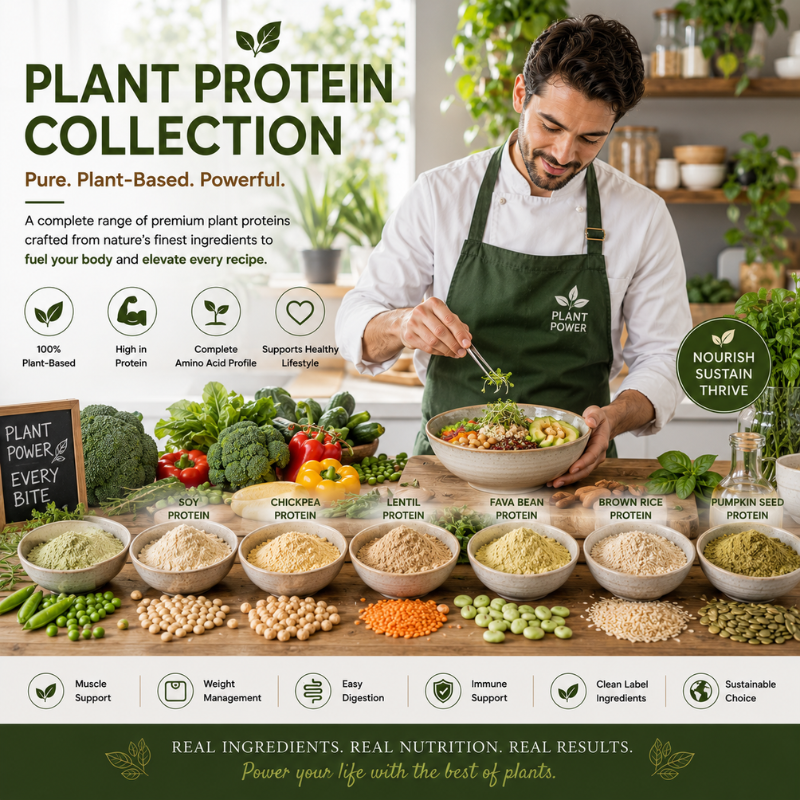
Plant Proteins
Explore productsScientific summary
Protein bioavailability describes how effectively dietary protein is digested, absorbed, and utilized by the body.
It depends on amino acid composition, digestibility, processing methods, and overall dietary context. Scientific methods such as PDCAAS and DIAAS are commonly used to evaluate protein quality.
High-quality plant proteins, including pea protein isolate and soy protein isolate, are widely incorporated into modern food, beverage, and nutrition products because of their nutritional value, functionality, and compatibility with diverse formulations.
Frequently asked questions
Protein bioavailability is the proportion of dietary protein that is digested, absorbed, and utilized by the body for normal physiological functions.
It helps determine how effectively a protein source provides amino acids for normal body functions and is an important consideration in food formulation and nutrition.
PDCAAS evaluates protein quality using amino acid composition and overall digestibility, while DIAAS measures the digestibility of individual essential amino acids and provides a more detailed assessment.
Yes. Commercial plant proteins such as pea protein isolate and soy protein isolate have good digestibility and are widely used in food, beverage, and nutrition products.
Manufacturers may optimize protein quality through ingredient selection, complementary protein blending, controlled processing, and appropriate formulation strategies. See our custom protein blends and complete vs incomplete protein guide.
Ready to select the right protein ingredient?
Explore plant-based proteins and protein comparison resources from Aspire Biozymes.