
Protein Knowledge
Complete vs Incomplete Protein
Understanding protein quality, essential amino acids, and how complete and incomplete proteins contribute to balanced nutrition in food manufacturing and dietary planning.
How proteins are classified by amino acid composition
Proteins are made up of amino acids that play essential roles in building and maintaining tissues, producing enzymes and hormones, supporting immune function, and numerous other biological processes. While all dietary proteins provide amino acids, they differ in their amino acid composition.
One of the most common ways to classify proteins is as complete or incomplete proteins. This classification is based on whether a protein source provides all nine essential amino acids in sufficient amounts for human nutrition.
Understanding the difference between complete and incomplete proteins helps manufacturers formulate balanced nutritional products and enables consumers to make informed dietary choices.
What is a complete protein?
A complete protein contains all nine essential amino acids in proportions that meet human nutritional requirements. These amino acids are called essential because the human body cannot produce them in sufficient quantities, so they must be obtained from the diet.
- Histidine
- Isoleucine
- Leucine
- Lysine
- Methionine
- Phenylalanine
- Threonine
- Tryptophan
- Valine
What is an incomplete protein?
An incomplete protein provides protein and amino acids but contains one or more essential amino acids in relatively lower amounts.
This does not mean the protein is of poor quality or unsuitable for human nutrition. Many plant proteins are excellent nutritional ingredients despite differences in amino acid profiles. Modern nutrition emphasizes the importance of consuming a variety of protein-containing foods throughout the day rather than relying on a single protein source.
Complete protein sources
Many animal-derived foods are naturally complete proteins, including eggs, milk, yogurt, cheese, fish, poultry, and lean meat.
Several plant-derived ingredients are also considered complete or provide well-balanced amino acid profiles suitable for many applications, including soy protein isolate, quinoa, and buckwheat. The classification of plant proteins depends on the specific ingredient and its amino acid composition.
Incomplete protein sources
Many plant proteins contain all essential amino acids but have lower levels of one or more amino acids compared with reference patterns. These ingredients remain valuable protein sources and are widely used in food and nutritional formulations.
- Pea Protein
- Rice Protein
- Wheat Protein
- Oat Protein
- Corn Protein
- Lentils
- Chickpeas
- Beans
Essential amino acids
The body requires essential amino acids for numerous biological functions. Each essential amino acid contributes to normal physiological functions, making a balanced dietary intake important.
| Essential Amino Acid | Primary Role |
|---|---|
| Histidine | Growth and tissue maintenance |
| Isoleucine | Muscle protein synthesis and energy metabolism |
| Leucine | Muscle protein synthesis |
| Lysine | Protein synthesis and collagen formation |
| Methionine | Methylation reactions and sulfur metabolism |
| Phenylalanine | Precursor for several important compounds |
| Threonine | Protein structure and tissue maintenance |
| Tryptophan | Precursor to serotonin and niacin |
| Valine | Muscle metabolism and tissue repair |
Complementary proteins
Plant proteins are often combined to create complementary amino acid profiles. Combining different protein sources can help diversify amino acid intake within an overall balanced diet.
- Pea protein + rice protein
- Beans + rice
- Lentils + grains
- Chickpeas + wheat
- Soy + cereal grains
For food manufacturers, protein blending can also improve functionality, taste, texture, and nutritional positioning.
Pea Protein Isolate
High-concentration plant protein
Known for high protein concentration, good functional properties, and wide application versatility across sports nutrition, meal replacements, and plant-based products.
View Pea Protein Isolate (P85)Pea Protein Concentrate
Balanced protein for diverse applications
Suitable for bakery products, functional foods, plant-based formulations, and nutritional products.
View Pea Protein Concentrate (P60)Soy Protein Isolate
Well-balanced amino acid profile
Recognized for high protein content, well-balanced amino acid profile, and broad use across food applications including beverages, dairy alternatives, and nutritional products.
View Soy Protein Isolate (SPI 90)Factors that influence protein quality
Protein quality is evaluated using several scientific factors, including essential amino acid composition, protein digestibility, amino acid availability, processing methods, and overall dietary pattern.
PDCAAS
Protein Digestibility-Corrected Amino Acid Score (PDCAAS) combines protein digestibility with amino acid composition for evaluating protein quality.
DIAAS
Digestible Indispensable Amino Acid Score (DIAAS) is a newer method recommended by the FAO for assessing protein quality based on digestibility of individual indispensable amino acids.
Learn more in our protein digestibility guide.
Applications in food manufacturing
Understanding protein quality helps manufacturers develop products across a wide range of nutritional categories. Manufacturers often select protein ingredients based on nutritional composition, functionality, taste, processing characteristics, and application requirements.
- Sports Nutrition
- Meal Replacement Products
- Protein Powders
- Ready-to-Drink Beverages
- Clinical Nutrition
- Functional Foods
- Plant-Based Dairy Alternatives
- Bakery Products
- Nutrition Bars
Common misconceptions
"Incomplete" does not mean low quality
An incomplete protein can still be an excellent source of dietary protein and may contribute significantly to total protein intake.
Plant proteins are widely used
Plant proteins are extensively used in commercial food manufacturing because of their versatility, nutritional value, and compatibility with a wide range of formulations.
Balanced diets matter most
Current nutrition guidance generally emphasizes consuming a variety of protein-containing foods over time rather than focusing on complete proteins at every individual meal.
Why Aspire Biozymes?
Aspire Biozymes supplies high-quality plant protein ingredients suitable for a wide range of nutritional applications, including pea protein isolate, pea protein concentrate, soy protein isolate, customized protein blends, protein + fiber solutions, and protein + enzyme solutions.
Our technical team supports manufacturers with ingredient selection, formulation guidance, and product development for food, beverage, and nutrition applications.
Related guides & products
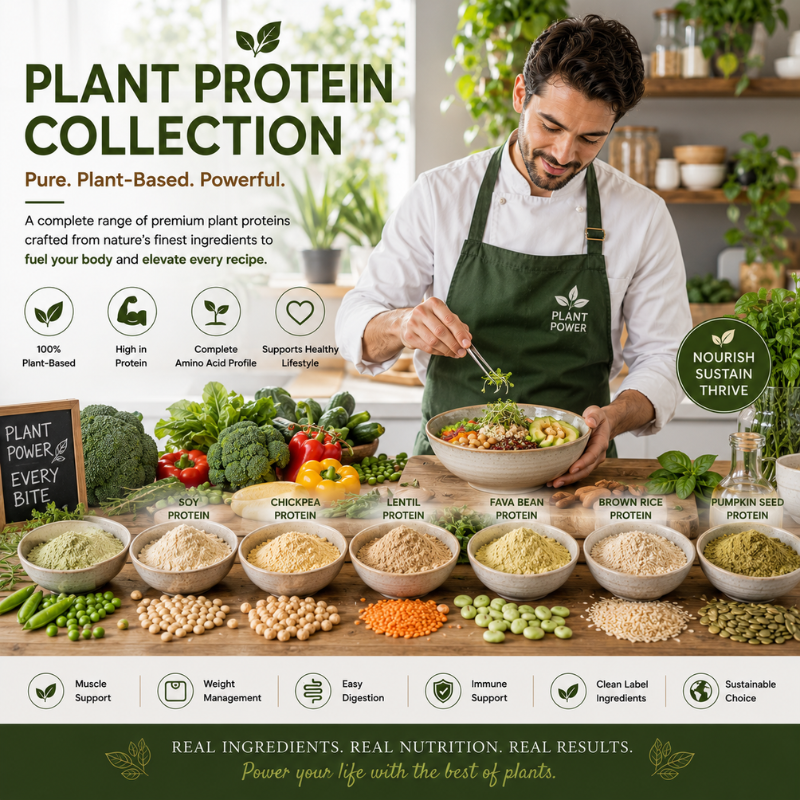
Pea Protein vs Soy Protein
Read the comparison
Plant Protein vs Animal Protein
Read the comparison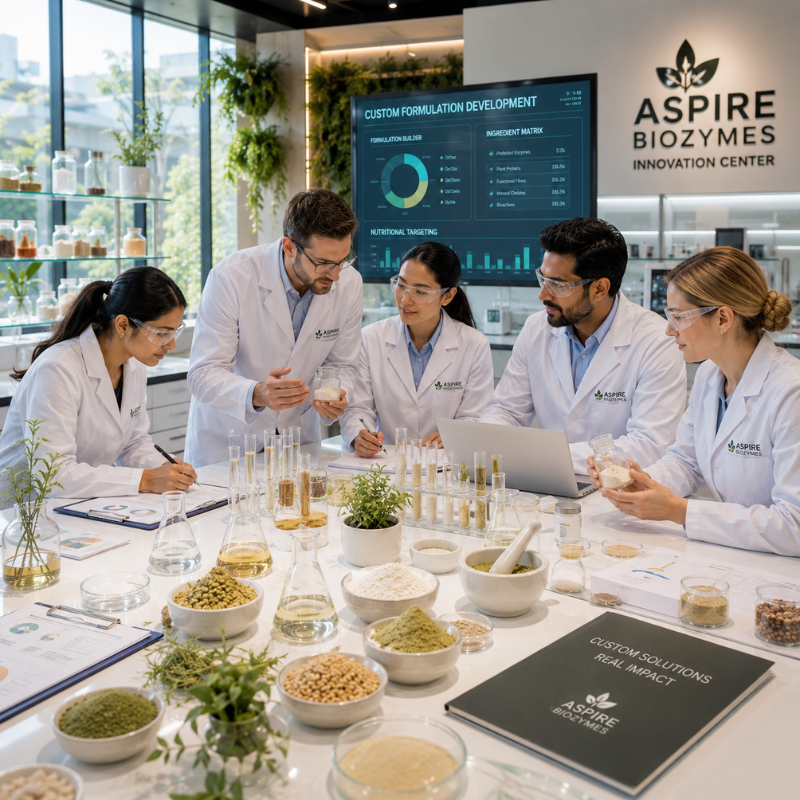
Custom Protein Blends
Explore solutionsScientific summary
Complete proteins provide all nine essential amino acids in appropriate proportions, while incomplete proteins contain one or more essential amino acids in relatively lower amounts.
Both complete and incomplete proteins contribute valuable dietary protein and are widely used in human nutrition. Modern dietary guidance recognizes that consuming a variety of protein sources throughout the day can provide a balanced amino acid intake.
Food manufacturers evaluate protein quality using amino acid composition, digestibility, functionality, and application requirements when selecting protein ingredients.
Frequently asked questions
Complete proteins provide all nine essential amino acids in sufficient proportions, while incomplete proteins contain lower amounts of one or more essential amino acids.
Pea protein contains all essential amino acids but is relatively lower in methionine compared with reference amino acid patterns. It is widely used in nutritional formulations and is often combined with other protein sources depending on product objectives. See our pea protein guide.
Yes. Soy protein is generally recognized as a complete protein because it provides all essential amino acids in proportions that support human nutritional requirements. See our soy protein guide.
Yes. A varied diet containing different protein-rich foods can provide adequate essential amino acids for most healthy individuals. Manufacturers also use complementary protein blends to achieve specific nutritional goals.
Protein blending allows manufacturers to optimize amino acid profiles, functionality, taste, texture, processing performance, and nutritional positioning for different product applications. See our custom protein blends.
Ready to select the right protein ingredient?
Explore plant-based proteins and protein comparison resources from Aspire Biozymes.